






Kawaii lifestyle Japan is changing every season, from collectible stationery to convenience-store sweets, pop-up events, and small “daily joy” items that disappear fast. This guide helps overseas readers follow cute trends, shop smarter, and understand the cultural rhythm behind what becomes popular.
- Key Takeaways
- Fundamentals
- Guides by common problems
- “I want seasonal cute trends, but I don’t know what to look for.”
- “What are the hot items and experiences right now?”
- “Where to buy Japan cute goods if I’m visiting Tokyo or Osaka?”
- “How do I shop convenience store sweets like a local?”
- “I keep missing store and event information. How do I track it?”
- “How do tickets and reservations work for exhibitions and cafés?”
- “How do I choose gifts that feel special, not random?”
- “I want kawaii room decor, but I rent and can’t redecorate.”
- “How do I buy from Japan online and ship internationally?”
- “What if it’s sold out? Should I wait for restock or buy resale?”
- Common mistakes
- Checklist
- FAQ
- What counts as “Japanese lifestyle news” in the kawaii world?
- Where should I shop first for kawaii goods in Japan?
- Are pop-up events worth it if I don’t want to line up?
- How do I choose kawaii gifts for coworkers or groups?
- Why do cute snacks sell out so quickly?
- What’s the safest way to buy kawaii goods from Japan if I live in the US or UK?
- How can I follow cute trends Japan without buying too much?
- Conclusion
Key Takeaways
- Japan’s cute trends move on a seasonal calendar: spring cherry-blossom motifs, summer festival energy, autumn cozy themes, and winter gift culture.
- The fastest “Japanese lifestyle news” usually appears on official store channels first, then spreads through creators and short-form video.
- Many hot items are limited by time, not just quantity, so knowing release patterns matters as much as speed.
- Where you shop shapes what you find: variety stores, convenience stores, 100-yen shops, cafés, museums, and pop-ups each have their own “cute language.”
- Great gifts come from context: packaging, portability, and the story behind the item often matter more than price.




Fundamentals
What “kawaii lifestyle” really means
Kawaii lifestyle is not only about fashion or characters. It’s the everyday side of cuteness: the pen you reach for, the pouch that keeps your bag organized, the seasonal snack you try once, the tiny room décor detail that makes a corner feel special. It’s also deeply tied to how Japanese retail works: frequent refreshes, limited packaging runs, and themed releases that make ordinary errands feel like treasure hunts.
The seasonal engine behind cute trends Japan
If you want to predict what will be popular, think in seasons and occasions rather than in one long “trend cycle.”
- Spring: light colors, floral motifs, gentle pastels, new-school-year stationery, and “fresh start” organization goods.
- Early summer: travel minis, UV accessories, cool-toned designs, and portable items for festivals and day trips.
- Late summer: playful themes, character tie-ins, and convenience-store limited sweets aimed at quick enjoyment.
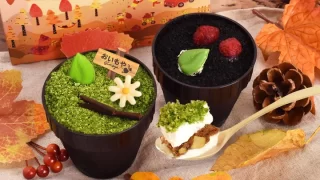
- Autumn: cozy textures, warm palettes, Halloween motifs, and collectible packaging.
- Winter: gifting, collaborations, holiday limited items, and New Year-themed goods focused on renewal and luck.
This seasonal rhythm is why “viral Japan” moments can feel sudden: an item may be normal in one month and impossible to find the next, simply because the calendar moved on.
Where kawaii goods show up first
Different retail spaces specialize in different kinds of cute, and knowing that helps you shop efficiently.
- Variety stores (such as LOFT and Hands): trend-forward stationery, organizers, beauty-adjacent accessories, and collaboration corners that rotate often.
- 100-yen shops (Daiso, Seria, Can Do): surprisingly stylish small goods, seasonal décor, and practical “cute but useful” items that restock unpredictably.
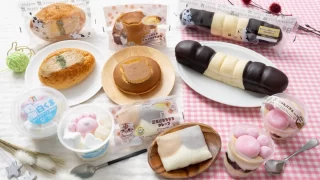
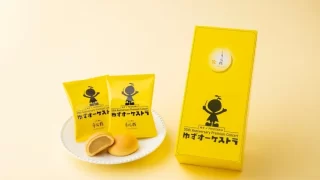
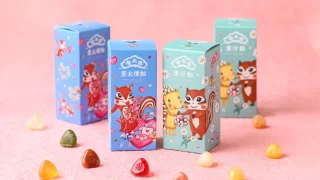
- Convenience stores: limited sweets, packaged desserts, and small character tie-ins designed for quick purchases.
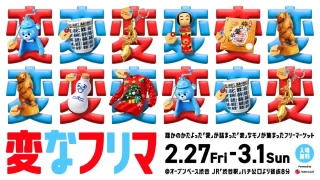
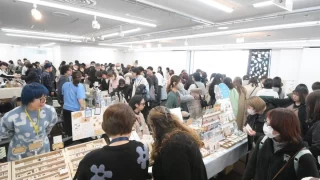
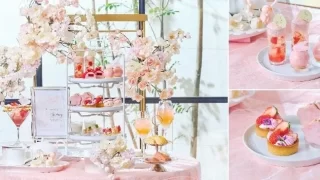
- Pop-up events: the most concentrated “kawaii experience,” often combining shopping, photo spots, novelty gifts, and limited-edition packaging.
- Museums and exhibitions: gift-shop items with refined design, exclusive stationery, and tasteful collaboration goods.
How “limited edition” works in lifestyle goods
In Japanese lifestyle retail, limited can mean several things. Understanding which one you’re dealing with changes your strategy.
- Limited by date: available only during a seasonal window, then replaced.
- Limited by store: exclusive to one chain, one region, or one pop-up.
- Limited by collaboration: tied to a campaign period, often with novelty gifts while supplies last.
- Limited by production: a fixed run that may never return, especially for special packaging.
If you’re shopping from overseas, the most important habit is to capture details the moment you see them: release date, purchase limit, and whether the store mentions a restock plan.
What becomes “TikTok trend Japan” and why
Short-form video loves items with an obvious transformation or sensory moment: peel-and-stick stickers, clever storage gadgets, stamp-style stationery, mystery box candies, or desserts with a satisfying reveal. Many of these items were already popular locally, but they go global when the “visual story” is easy to film and replicate.
A useful mindset: if an item looks fun in a 10-second clip, expect it to sell out quickly even if it was originally meant to be a casual everyday product.
Guides by common problems
“I want seasonal cute trends, but I don’t know what to look for.”
Start with themes, not products. Each season has a predictable set of “cute signals” you can scan for in store displays and online posts.
- Color shift: pastels in spring, bright accents in summer, earth tones in autumn, metallic and deep neutrals in winter.
- Motif shift: florals, fruit, spooky icons, holiday patterns, lucky symbols.
- Function shift: school and organization items in spring, travel and cooling items in summer, cozy home goods in autumn, giftable sets in winter.
This approach helps you spot trends even when you don’t recognize the brand or character collaboration.
“What are the hot items and experiences right now?”
Instead of chasing a single “it item,” follow three reliable lanes that constantly produce popular kawaii lifestyle moments:
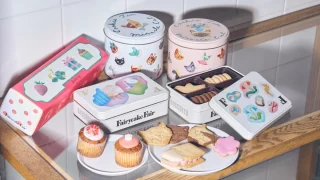
- Japanese stationery news: new pen bodies, limited ink colors, planners, sticker systems, stamp sets, and themed storage pouches.
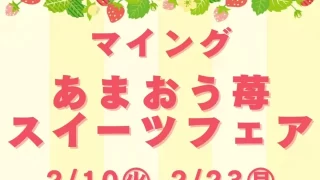
- Cute snacks Japan: seasonal flavors, character packaging, and convenience-store dessert launches that change frequently.
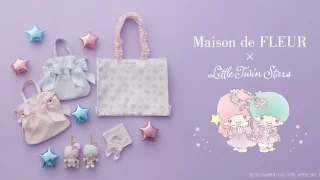
- Pop-up event culture: collaboration cafés, traveling shop events, limited-edition gift-shop runs, and themed exhibitions.
If you’re abroad, these lanes are also the easiest to track because official announcements tend to be clear: dates, locations, price, and purchase rules.
“Where to buy Japan cute goods if I’m visiting Tokyo or Osaka?”
Think in “shopping neighborhoods” rather than single stores. Cute trends often cluster geographically because foot traffic shapes what retailers stock.
- Tokyo spots: large variety stores, flagship character stores, and multi-floor retail buildings where seasonal displays update quickly.
- Osaka spots: busy shopping arcades and central retail hubs with plenty of pop-up spaces and limited campaigns.
Practical tip: plan one “variety store day” and one “pop-up day.” Variety stores reward browsing; pop-ups reward arriving early and knowing the rules.
“How do I shop convenience store sweets like a local?”
Convenience-store desserts and snacks are designed for freshness and frequent refreshes, so availability is the main challenge. Here’s a calm, effective method:
- Check multiple branches: stock varies by location and time of day.
- Look for campaign signage: limited packaging and tie-ins often come with clear date ranges.
- Buy for the moment: many items are meant to be enjoyed quickly, not hoarded.
For gifts, prioritize packaged sweets with sturdy boxes and clear best-by dates, especially if you’re traveling.
“I keep missing store and event information. How do I track it?”
Build a simple system you can maintain even when you’re busy.
- Create a shortlist of sources: your favorite stores, a few creators you trust, and one or two event listing accounts you consistently understand.
- Use a calendar: add pop-up dates, ticket windows, and reservation deadlines the moment you see them.
- Save screenshots of rules: purchase limits, entry systems, and novelty gift conditions can change quickly.
This matters because many pop-ups are less about “walking in whenever” and more about timed entry or limited bonuses.
“How do tickets and reservations work for exhibitions and cafés?”
Many kawaii-adjacent experiences are managed like mini-events: timed slots to reduce crowds, prepaid tickets, or reservations with purchase requirements. A practical checklist:
- Check whether entry is timed: timed entry affects your whole day plan.
- Confirm what’s included: some tickets include a small gift, some do not.
- Know the cancellation rules: especially important for travelers.
- Arrive early anyway: even with a slot, lines for merchandise can form.
For overseas readers, the key is not speed but clarity: understand the system before you commit.
“How do I choose gifts that feel special, not random?”
Kawaii gifting often values thoughtfulness and presentation. Choose gifts that communicate care through detail, not through price.
- Packaging-first gifts: boxed sweets, mini assortments, and individually wrapped items that travel well.
- Daily-use gifts: hand towels, pouches, mugs, and desk items that feel like a small upgrade.
- Shared-experience gifts: items linked to a place you visited, like a museum shop purchase or an exhibition-exclusive notebook.
To avoid “souvenir clutter,” pick one hero gift per person and keep it cohesive: one theme, one color family, or one character universe.
“I want kawaii room decor, but I rent and can’t redecorate.”
You can create a kawaii corner without changing your whole room. Focus on items that are reversible and functional.
- Textiles: cushion covers, small throws, and cute storage baskets.
- Desk zone upgrades: pen cups, cable organizers, small trays, and memo stands.
- Display rules: rotate small items seasonally so your space stays fresh and not crowded.
A good rule: make it cute, but keep it usable. The most satisfying kawaii rooms are easy to live in.
“How do I buy from Japan online and ship internationally?”
When you see “where to buy Japan” questions online, the real issue is usually not finding the item, but completing the purchase smoothly.
- Official online store: best for authenticity and clear product details, but international shipping may be limited.
- Major retailers: often have stable inventory systems and clear policies.
- Cross-border shopping services: can help when stores don’t ship abroad, but you should factor in fees, consolidation rules, and return limitations.
Before you buy, confirm three things: total cost (including shipping and any import fees), the size or dimensions (especially for home goods), and the return policy.
“What if it’s sold out? Should I wait for restock or buy resale?”
For lifestyle goods, restock behavior varies by item type.
- Seasonal packaging: less likely to return once the season ends.
- Core stationery tools: more likely to restock, though limited colors may not.
- Collaboration items: sometimes get a second wave, but not always.
If you’re considering resale, prioritize authenticity and condition. For items like stationery, details matter: unopened packs, clean edges, and clear photos. If a listing is vague, skip it and wait for the next seasonal wave.
Common mistakes
- Chasing “viral Japan” lists without checking availability windows, leading to disappointment and wasted time.
- Assuming all 100-yen shops stock the same items at the same time; seasonal goods vary widely by store and region.
- Buying cute gadgets without checking size or power requirements, then realizing they don’t fit your space or needs.
- Overbuying sweets that won’t travel well; packaging is cute, but heat and time are real.
- Missing reservation deadlines for exhibitions and cafés by treating them like casual walk-ins.
- Ignoring purchase limits at pop-ups, then feeling frustrated when you can’t buy multiples.
- Paying inflated resale prices immediately after a trend spikes, instead of waiting for restocks or the next seasonal release.
Checklist
- Pick your “trend lanes”: stationery, sweets, room décor, or experiences, then follow a few reliable sources for each.
- Add pop-up dates, ticket windows, and reservation deadlines to a calendar immediately.
- For gifts, prioritize portability, packaging strength, and a clear story tied to your trip or interest.
- For sweets, choose travel-friendly boxed items when gifting across borders.
- For stationery, check whether it’s limited by season, by store, or by collaboration period.
- For 100-yen shop finds, buy when you see it; restocks are unpredictable.
- For online orders, confirm total cost, dimensions, and return policy before checkout.
- For resale, demand clear photos and condition details; skip listings that feel uncertain.
- Keep your space cute and livable by rotating décor seasonally instead of accumulating everything.
FAQ
What counts as “Japanese lifestyle news” in the kawaii world?
It includes new stationery launches, limited sweets, collaboration campaigns, pop-up events, museum shop exclusives, and seasonal home goods that shape daily life. The “news” is often retail-driven and changes quickly with the calendar.
Where should I shop first for kawaii goods in Japan?
If you want broad variety in one stop, start with a large variety store, then add a 100-yen shop for practical cute finds, and finish with a convenience store for seasonal snacks. This sequence gives you trend items, useful basics, and limited treats without feeling scattered.
Are pop-up events worth it if I don’t want to line up?
Yes, if you approach them as experiences rather than purely shopping. Visit on a weekday if possible, aim for off-peak hours, and decide in advance whether you care more about merchandise, novelty gifts, or the atmosphere.
How do I choose kawaii gifts for coworkers or groups?
Look for individually wrapped sweets, small stationery sets, or compact items like mini towels and pouches. Group gifting works best when the items are uniform, easy to carry, and clearly presented.
Why do cute snacks sell out so quickly?
Many are limited-time seasonal runs, and demand spikes when packaging becomes shareable online. Stock also varies by location, so even a popular item may be common in one area and scarce in another.
What’s the safest way to buy kawaii goods from Japan if I live in the US or UK?
Prioritize official stores and well-known retailers for authenticity and clear policies. When using cross-border shopping services, read fee structures and return rules carefully, and keep receipts and order confirmations for peace of mind.
How can I follow cute trends Japan without buying too much?
Create a seasonal rule: pick one “hero” purchase per season and one small consumable treat. This keeps you connected to trends while avoiding clutter and overspending.
Conclusion
Kawaii lifestyle is at its best when it feels like a gentle upgrade to everyday life: a pen that makes you want to write, a snack that turns an afternoon into a tiny celebration, a pop-up visit that becomes a travel memory. If you follow the seasonal rhythm, understand how limited editions work, and shop with intention, you can enjoy cute trends in Japan without stress.
Want this page to work like your personal compass? Bookmark it and revisit at the start of each season, then pick one or two “small joys” to try next.
Editorial Policy
All articles on Kawaii Japan News are written with respect for official sources, authentic cultural insight, and regular updates to ensure accuracy and freshness.