






If you love Kawaii fashion Japan for its playful silhouettes, collectible accessories, and ever-changing collaborations, this guide is your friendly “newsroom roadmap” for keeping up—without getting lost in hype, confusing release rules, or tricky overseas shopping details.
- Key Takeaways
- Fundamentals
- Guides by common problems
- “I want the latest releases—where should I check every week?”
- “How do I track pop-up store Japan dates without doomscrolling?”
- “A collab just dropped—how do I buy before it sells out?”
- “I’m overseas—how do Japanese sizes really work?”
- “What about materials, quality, and price—how do I judge quickly?”
- “Where to buy Japanese fashion online safely?”
- “How do shipping, taxes, and tax-free shopping work?”
- “I want outfit ideas—how do I style kawaii without feeling like I’m in costume?”
- Trend commentary you can actually use
- Common mistakes
- Checklist
- FAQ
- How can I stay on top of Japanese fashion news without spending hours online?
- What does “capsule collection” usually mean in J-fashion trends?
- Why are some items sold by raffle instead of first-come, first-served?
- Is it better to buy at a pop-up or online?
- How do I avoid counterfeit items when shopping resale?
- Do Japanese brands restock sold-out items?
- What should US and UK shoppers know before ordering from Japan?
- Conclusion
Key Takeaways
- Most “Japanese fashion news” breaks first on brand social channels, newsletters, and official online stores—then spreads through influencers and street snaps.
- Limited drops usually follow a few repeat patterns: preorder windows, raffle entries, timed releases, and store-exclusives.
- Pop-ups are often about experience (photo spots, novelty gifts, early access) as much as shopping—plan like you’re attending a mini-event.
- Overseas shopping success comes down to three skills: reading size charts, understanding shipping/taxes, and spotting authentic listings.
- Trends move fast, but “kawaii” stays grounded in personal styling—build outfits you can remix across seasons.



Fundamentals
What counts as “kawaii fashion” in Japan?
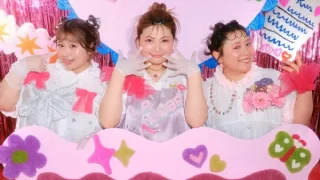
Kawaii fashion is less a single trend and more a shared visual language: sweetness, charm, and intentional styling. It includes classic street-fashion neighborhoods and scenes (like Harajuku fashion and Shibuya fashion), but it also extends into everyday wardrobes through accessories, character collaborations, and “one statement piece” outfits that brighten a simple look.
How Japanese fashion news typically spreads
If you’re tracking Japanese fashion news and J-fashion trends, it helps to know the usual flow:
- Official announcement: brand social posts, newsletters, online store banners, or a brand’s lookbook update.
- Amplification: influencers, staff styling posts, and street snaps that show how items look in real life.
- Conversion moment: preorder opens, raffle begins, pop-up dates drop, or a capsule collection lands online.
- Aftershock: restocks, resale listings, “how it fits” reviews, and styling content.
The four most common “limited drop Japan” formats
Many shoppers miss releases not because they’re slow—but because they misunderstand the release format. Watch for these patterns:
- Preorder window: You can buy during a set period. Shipping happens later. Best for overseas buyers who want certainty.
- Timed drop: Inventory goes live at a specific time. Fastest fingers win—especially for popular colors.
- Raffle/lottery: You enter first, then winners purchase. This is common for high-demand collaborations and special items.
- Store exclusive / event exclusive: Available only at a pop-up store Japan location or a flagship. Sometimes leftover stock appears online later, but don’t count on it.
Collaboration culture: why it’s so big in Japan
Fashion collaboration Japan isn’t only about “slapping a logo on a tote.” In kawaii culture, collaborations often feel like collectible chapters: a specific theme, character universe, café partnership, or seasonal story. Even when a piece is simple, the packaging, novelty gifts, and in-store displays can turn it into an experience—especially at pop-ups.
Where to buy Japanese fashion (the big buckets)
- Official brand online stores: Best for authenticity and full size/color range, but international shipping varies.
- Department stores and fashion buildings: Great for curated browsing and trying things on, especially in Tokyo fashion hubs.
- Select shops: Multi-brand stores that carry capsules, seasonal edits, or niche labels you might miss otherwise.
- Marketplaces and resale: Useful for sold-out items and older collections—but requires authenticity skills.
Guides by common problems
“I want the latest releases—where should I check every week?”
Create a simple “kawaii fashion briefing routine” that takes 10 minutes:
- Follow: your top brands, their shop staff accounts, and official store accounts (not just fan repost pages).
- Subscribe: newsletters for early links and preorder notices.
- Save: a notes list of release-day times in your timezone and the brand’s typical release pattern.
- Scan: influencer posts for fit notes, fabric texture, and real-life color accuracy.
Tip: treat “latest” as a system, not a scramble. Once you know a brand’s rhythm (preorder vs timed drop), you’ll stop missing releases.
“How do I track pop-up store Japan dates without doomscrolling?”
Pop-ups are often announced as a package: dates, location, novelty gifts, purchase limits, and sometimes timed-entry rules. To stay organized:
- Use a calendar: add pop-up dates immediately, plus the “first day” and “last day” (stock often differs).
- Watch entry rules: some pop-ups use reservations or timed tickets during busy periods.
- Plan for bonuses: novelty items can change by spend threshold and may run out early.
If you’re traveling, pop-ups are perfect for souvenir shopping: one special piece, one accessory, and one small collectible that fits your luggage.
“A collab just dropped—how do I buy before it sells out?”
For any capsule collection or limited edition release, prepare like this:
- Make accounts in advance: brand store, payment method, shipping address, and saved sizes.
- Know the rules: purchase limits per item, per color, or per customer.
- Choose your ‘must-have’ first: don’t browse on drop minute—go straight to your priority item.
- Have a Plan B color: kawaii pieces often sell out by popular colorways first.
And emotionally: drops are meant to be exciting, not stressful. If you miss it, restocks and secondary releases are common enough that patience is often rewarded.
“I’m overseas—how do Japanese sizes really work?”
Overseas sizing is the #1 reason international shoppers regret purchases. Instead of relying on “S/M/L,” build a habit of checking measurements:
- Compare garments you own: measure your favorite skirt waist, cardigan width, and dress length.
- Watch for fit style: many kawaii silhouettes are intentionally roomy, cropped, or high-waisted.
- Check stretch notes: elastic waistbands, shirring, knit give, and lining all change fit.
- Mind sleeve and shoulder: cute blouses can feel tight in shoulders even when the bust fits.
Pro tip: if a brand offers only one size, treat the measurement chart as the “real size name.” If the chart works, you’re good—regardless of the label.
“What about materials, quality, and price—how do I judge quickly?”
Kawaii fashion ranges from playful daily-wear to collectible statement pieces. To evaluate fast:
- Fabric cues: look for lining, opacity, and structure (especially for skirts and dresses).
- Hardware and trims: zippers, buttons, lace, and ribbon quality often reveal the true tier.
- Print clarity: character or illustrative prints should look crisp in official photos and close-ups.
- Care notes: delicate trims may require gentle handling—factor that into “cost per wear.”
Price is also about scarcity. Some items are priced for everyday rotation; others are priced like collectibles. The “right” choice depends on your lifestyle, not just your wishlist.
“Where to buy Japanese fashion online safely?”
For e-commerce and cross-border shopping, your safest path is:
- Start official: brand websites and official marketplaces first.
- Use authorized retailers: select shops and major retailers reduce counterfeit risk.
- For resale: prioritize listings with detailed photos, tags, receipts (when appropriate), and clear condition notes.
If a deal feels too good, pause. In kawaii fashion, authenticity is part of the cultural value—supporting real creators keeps the scene alive.
“How do shipping, taxes, and tax-free shopping work?”
International shopping costs are usually made of four pieces:
- Item price: sometimes includes domestic tax depending on the store.
- Shipping: varies by speed, carrier, package size, and whether items ship separately.
- Duties/taxes on arrival: depends on your country (US, UK, and others differ widely).
- Handling fees: some carriers charge processing fees for customs.
If you’re visiting Japan, tax-free shopping rules can apply at participating stores with proper documentation. Treat tax-free as a bonus, not a budget plan—some items (or small pop-ups) may not offer it.
“I want outfit ideas—how do I style kawaii without feeling like I’m in costume?”
The easiest way to wear kawaii fashion daily is the “one hero piece” method:
- Hero piece: a skirt, cardigan, bag, or accessory that feels unmistakably kawaii.
- Neutral support: simple tops, plain shoes, or classic outerwear that lets the hero piece shine.
- Texture match: echo one detail (lace, ribbon, pastel, sparkle) somewhere else so it looks intentional.
If you want a stronger lookbook feel, add a second themed element—like a hair accessory or socks—then stop there. Kawaii styling is about balance as much as maximalism.
Trend commentary you can actually use
Trends in Japanese street fashion cycle quickly, but kawaii wardrobes stay lovable when you build around repeatable “moods.” These are easy to shop and easy to remix:
- Sweet classic: soft colors, bows, gentle silhouettes, and nostalgic accessories.
- Playful sporty: cute graphics with sneakers, caps, and practical bags (great for travel days).
- Coquette-inspired kawaii: delicate details paired with modern basics for an updated look.
- Decora accents: one or two bold accessories (clips, charms, layered jewelry) instead of full overload.
- Character capsule: a small set of pieces tied to a collaboration you truly love—rather than chasing every drop.
Common mistakes
- Buying by size label instead of measurements: size charts are your best friend, especially overseas.
- Ignoring release format: a raffle behaves differently than a preorder—don’t treat them the same.
- Assuming “online later”: store exclusives may never appear online, or may appear in tiny quantities.
- Falling for urgency marketing: “last chance” posts can be real, but restocks and reruns do happen.
- Overpaying on resale immediately: prices spike right after sell-outs; patience often lowers the cost.
- Skipping authenticity checks: especially on marketplaces—cute shouldn’t come with anxiety.
- Building outfits that don’t match your life: the best kawaii wardrobe fits your daily routine, not just your camera roll.
Checklist
- Follow official brand accounts + subscribe to newsletters.
- Create store accounts in advance; save address and payment.
- Convert release times to your timezone and set alarms.
- Measure your best-fitting garments and keep notes.
- Check item notes: fabric, lining, stretch, care instructions.
- Understand the release type: preorder, timed drop, raffle, store exclusive.
- Budget for shipping, duties/taxes, and potential handling fees.
- For resale: verify photos, tags, condition, and seller history.
- Plan outfits around one hero piece for easy daily styling.
FAQ
How can I stay on top of Japanese fashion news without spending hours online?
Pick 5–10 favorite brands and follow their official channels, then schedule one weekly “scan.” Add release dates to a calendar the moment you see them. The habit matters more than constant scrolling.
What does “capsule collection” usually mean in J-fashion trends?
It typically means a small themed lineup released together—often limited in quantity or timeframe. Capsules can be seasonal (spring, summer) or story-based (characters, motifs, anniversary themes).
Why are some items sold by raffle instead of first-come, first-served?
Raffles reduce website crashes and make access feel fairer when demand is intense. They also help brands manage limited inventory without rewarding only the fastest shoppers.
Is it better to buy at a pop-up or online?
Pop-ups are best for experience, early access, and trying items in person. Online is best for convenience and careful sizing. If you love a piece enough to wear it for years, either route can be “better”—choose based on stress level and certainty.
How do I avoid counterfeit items when shopping resale?
Use trusted platforms, look for detailed photos (tags, stitching, logos, close-ups), check seller history, and be cautious of prices that are far below normal. If a listing is vague, move on—there will be another.
Do Japanese brands restock sold-out items?
Sometimes. Restocks depend on production plans, fabric availability, and demand. The safest approach is to assume limited items won’t return, while still keeping an eye out for reruns or “second waves” that occasionally happen.
What should US and UK shoppers know before ordering from Japan?
Expect differences in sizing, shipping costs, and possible import taxes. Always check measurement charts, read shipping policies carefully, and budget for duties/fees so the final total doesn’t surprise you.
Conclusion
Kawaii fashion isn’t just about chasing every limited drop Japan moment—it’s about building a wardrobe that feels joyful, wearable, and authentically “you.” When you understand how releases work, where to buy Japanese fashion safely, and how sizing and shipping behave across borders, you can enjoy Japanese street fashion with confidence instead of chaos.
If you want, use this page as your “home base”: bookmark it, build your weekly check-in routine, and treat each new collaboration as a chance to refine your style—one charming piece at a time.
Editorial Policy
All articles on Kawaii Japan News are written with respect for official sources, authentic cultural insight, and regular updates to ensure accuracy and freshness.