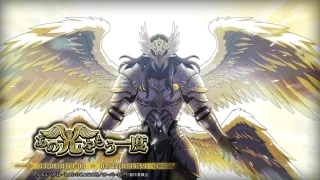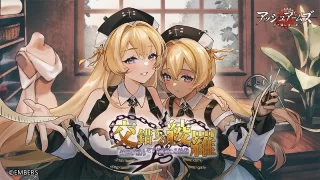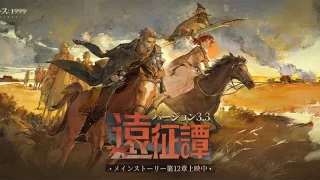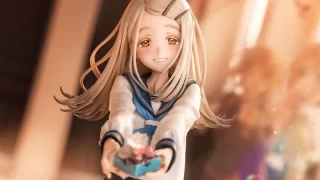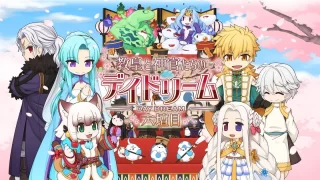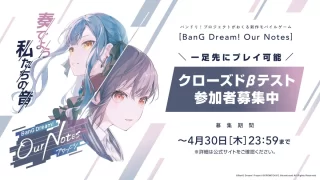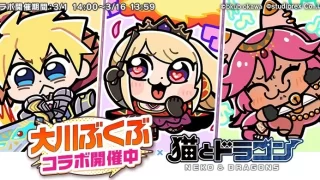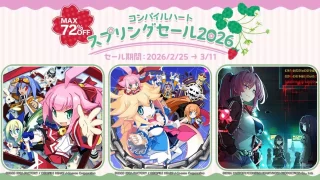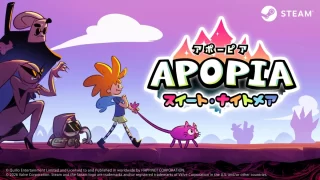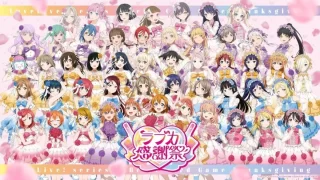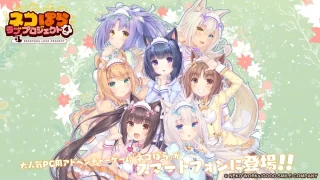
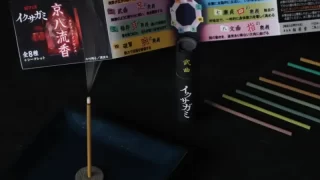


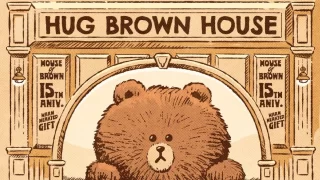



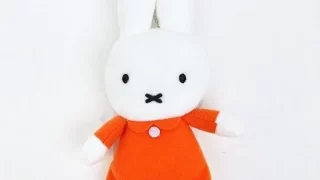
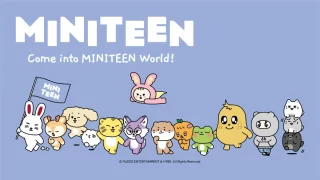


Game characters play an increasingly important role in kawaii culture in Japan. From console titles to mobile games, these characters move beyond digital screens into collaborations, character goods, pop-up events, and lifestyle experiences, becoming part of everyday kawaii life.
Key Takeaways
- Game characters are a major source of modern kawaii culture.
- Mobile and console games both shape character trends.
- Collaborations bring digital characters into real life.
- Pop-up events emphasize experience and immersion.
- Game characters influence lifestyle design beyond gaming.




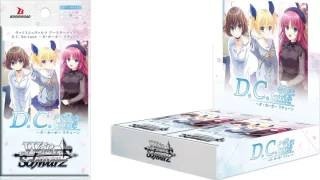
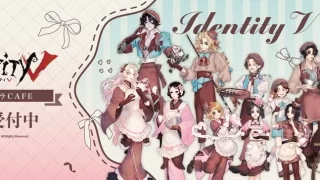

Fundamentals of Game Characters in Japan
Game characters are designed for interaction. Unlike static mascots, they respond to player actions, develop through play, and evolve with updates. This interactivity creates strong emotional attachment, making game characters especially suited to kawaii lifestyle culture.
In Japan, both long-running franchises and short-lived mobile games contribute to character diversity. Some characters remain familiar for decades, while others appear briefly yet leave a strong impression through design and mood.
The visual language of game characters often emphasizes clarity, friendliness, and adaptability, allowing them to transition easily from digital spaces into physical products.
From Gameplay to Everyday Life
When a game character enters daily life, the focus shifts from performance to presence. Goods, events, and collaborations reinterpret characters in ways that fit real environments, softening designs and emphasizing comfort.
Game Character Collaborations
Brand and Product Collaborations
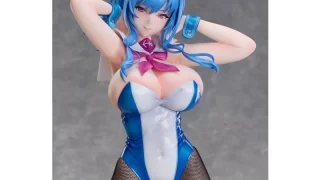
Game character collaborations span stationery, fashion, home décor, food, and personal accessories. Designs are often simplified to suit adult lifestyles while preserving recognizable elements.
This balance allows fans to enjoy character appeal without overt display.
Pop-Up Events and Experiential Spaces
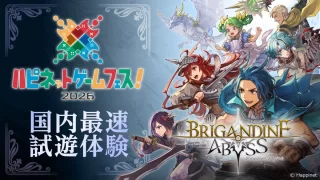
Pop-up events translate game worlds into physical spaces. Rather than recreating gameplay, these events focus on atmosphere, visuals, and shared experiences.
They often appear for limited periods, reinforcing the idea of game culture as something to be experienced in the moment.
Character Goods and Collectibles
Game character goods range from practical daily items to commemorative collectibles. Many items are tied to updates, anniversaries, or seasonal events.
This approach connects digital timelines with real-world memory.
Mobile Games and Kawaii Trends
Mobile games play a unique role in kawaii culture. Frequent updates and short play sessions encourage constant engagement, allowing characters to feel present in daily routines.
Mobile game characters often emphasize cuteness, accessibility, and emotional expression, making them especially compatible with lifestyle goods and collaborations.
Common Misunderstandings About Game Characters
- Assuming they are only relevant to gamers.
- Viewing game characters as short-term trends only.
- Separating gaming culture from lifestyle culture.
- Overlooking the influence of mobile games.
Game Character Lifestyle Checklist
- Explore collaborations beyond gaming products.
- Choose goods suited for everyday use.
- Pay attention to pop-up event timing.
- Value atmosphere over collectability.
- Let digital enjoyment extend naturally into daily life.
FAQ
Why are game characters popular in kawaii culture?
Their interactive nature creates strong emotional bonds.
Do game characters appeal to non-gamers?
Yes, many designs focus on mood and aesthetics rather than gameplay.
Are pop-up events common for game characters?
Yes, especially for mobile and seasonal promotions.
How long do game character collaborations last?
Most are limited-time experiences.
Are mobile game characters as influential as console characters?
Yes, especially in daily lifestyle integration.
Can game character goods feel subtle?
Many designs are intentionally understated.
Conclusion
Game characters bridge the gap between digital entertainment and real-life kawaii culture in Japan. Through collaborations, pop-up events, and thoughtfully designed goods, they move seamlessly from virtual worlds into everyday experiences.
As games continue to evolve, their characters remain a gentle and familiar presence in daily life.
Editorial Policy
All articles on Kawaii Japan News are written with respect for official sources, authentic cultural insight, and regular updates to ensure accuracy and freshness.