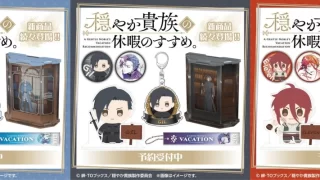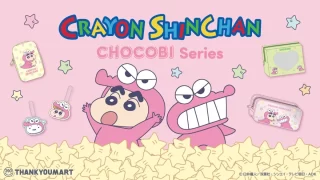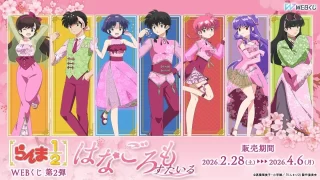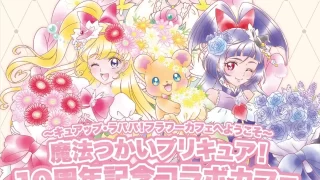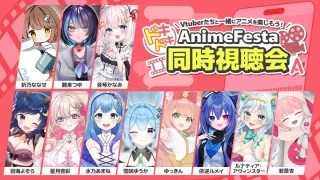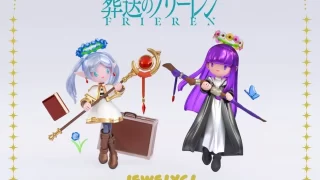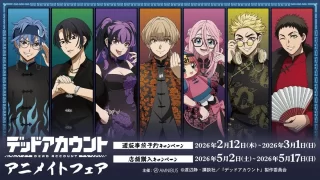





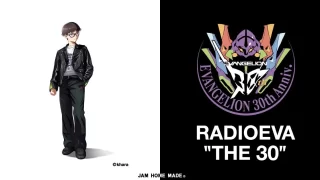
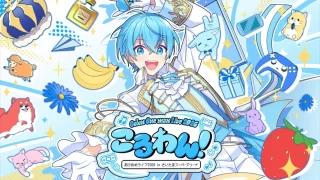
Anime plays a central role in shaping kawaii culture in Japan. From television series to animated films, anime characters extend far beyond the screen, influencing collaborations, themed cafes, limited-edition merchandise, and everyday lifestyle trends that blend entertainment with daily life.
Key Takeaways
- Anime characters are deeply integrated into everyday kawaii culture.
- Collaborations expand anime worlds into real-life experiences.
- Themed cafes and pop-ups emphasize immersion and atmosphere.
- Limited merchandise drives seasonal and cultural trends.
- Anime characters influence lifestyle aesthetics, not just fandom.




Fundamentals of Anime Characters in Japan
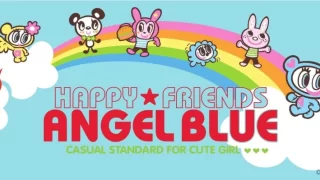
Anime characters in Japan are not limited to storytelling roles. They function as cultural icons that reflect emotions, values, and visual trends. Their designs often balance expressiveness with softness, making them adaptable to kawaii lifestyles beyond entertainment.
Unlike static mascots, anime characters evolve through episodes, films, and reinterpretations. This ongoing development allows fans to form long-term emotional connections that naturally extend into daily routines.
Anime’s visual language—distinct color palettes, recognizable silhouettes, and expressive details—makes it especially compatible with kawaii aesthetics.
From Screen to Lifestyle
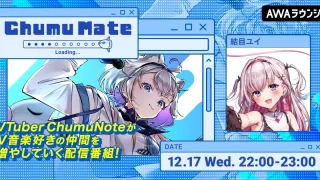
Once an anime becomes part of popular culture, its characters often move into physical spaces. This transition transforms passive viewing into active participation, allowing fans to experience fictional worlds in everyday environments.
Anime Character Collaborations
Brand and Product Collaborations
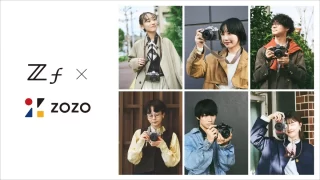
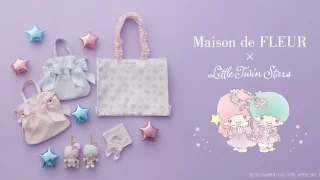
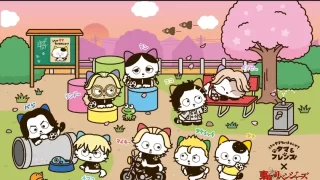
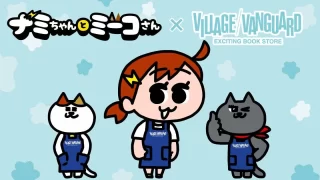
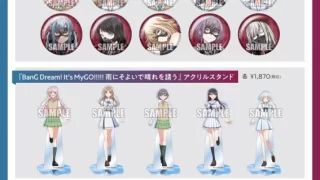
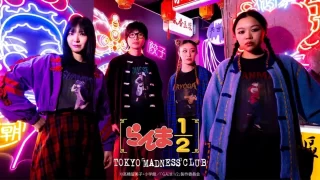
Anime collaborations appear across fashion, stationery, home goods, and food. These projects reinterpret characters in ways that suit adult lifestyles, often using subtle designs rather than bold imagery.
Such collaborations help anime characters remain relevant across age groups.
Themed Cafes and Experiences
Themed cafes offer immersive environments inspired by anime settings and characters. Menus, interiors, and presentation are carefully designed to reflect the original world while fitting real-world dining experiences.
These spaces emphasize atmosphere and memory rather than novelty.
Limited-Edition and Seasonal Items
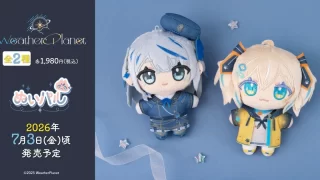
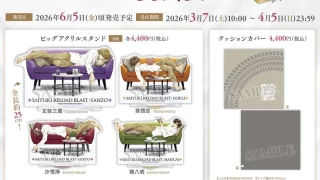
Limited releases tie anime characters to specific seasons, anniversaries, or events. This approach reinforces the idea that anime culture changes with time rather than remaining static.
Seasonal designs also encourage mindful enjoyment instead of constant accumulation.
Anime Characters as Lifestyle Influencers
Anime characters influence more than consumer goods. They shape fashion trends, color preferences, and even interior design choices. Subtle character-inspired aesthetics allow fans to express interest without overt display.
This lifestyle integration explains why anime culture remains visible even outside fan spaces.
Common Mistakes When Following Anime Trends
- Viewing anime characters only as fandom symbols.
- Ignoring lifestyle-oriented collaborations.
- Expecting all designs to be bold or decorative.
- Overlooking seasonal and limited contexts.
Anime Lifestyle Checklist
- Explore collaborations beyond merchandise.
- Pay attention to seasonal releases.
- Choose designs that fit your daily life.
- Value atmosphere over collectability.
- Let interest evolve naturally.
FAQ
What makes anime characters important to kawaii culture?
Their expressive designs and emotional storytelling translate easily into everyday aesthetics.
Are anime-themed cafes permanent?
Most are temporary, aligning with seasonal or promotional periods.
Do anime collaborations target adults?
Many are designed specifically for adult lifestyles.
Is anime kawaii only about cute characters?
No, it includes atmosphere, emotion, and visual balance.
How long do anime trends usually last?
Some are brief, while others evolve over many years.
Can anime-inspired items feel subtle?
Yes, many designs are intentionally understated.
Conclusion
Anime characters are a powerful force within kawaii Japan culture, shaping how stories, visuals, and emotions move from screen to everyday life. Through collaborations, themed experiences, and lifestyle design, anime continues to influence how people engage with cuteness in meaningful, lasting ways.
By seeing anime characters as part of daily culture rather than distant fiction, their charm becomes a natural part of everyday life.
Editorial Policy
All articles on Kawaii Japan News are written with respect for official sources, authentic cultural insight, and regular updates to ensure accuracy and freshness.