





If you’re curious about the kawaii Japan character world, you’re stepping into a universe where cuteness is a shared language—expressed through mascots, storybook friends, and collectible icons that show up everywhere from stationery to cafes.
- Key Takeaways
- Fundamentals
- Guides by common problems
- I like cute characters, but I don’t know where to start
- I want to dig deeper by character or by “work”
- I want to enjoy character cafes and collaboration cafes
- I’m confused by pop-ups, limited shops, and collaborations
- I want to keep up with events, new releases, and limited editions
- I want a character “pilgrimage” experience
- I want to shop smart: in-store, shops, and mail order
- I’m overwhelmed by collecting formats like gacha and Ichiban Kuji
- I want character goods that look cute but still adult-friendly
- Common mistakes
- Checklist
- FAQ
- What’s the difference between a kawaii character and an anime character?
- Which franchises are easiest for beginners?
- How do I keep up with limited editions without feeling stressed?
- What are the best character goods for a practical daily life?
- Are character cafes worth it if I’m not a serious fan?
- What’s a safe gift if I don’t know someone’s favorite character?
- How do I avoid buying counterfeit or low-quality items?
- What’s the best way to start collecting without spending too much?
- Conclusion
Key Takeaways
-
Japanese cute characters aren’t “just cartoons”—they’re carefully designed brands with stories, rules, and long-running fan communities.
-
The easiest way to start is to pick one “home base” franchise (Sanrio, Pokemon, Ghibli, or a newer breakout like Chiikawa) and learn its style of goods and events.
-
Character goods culture has its own etiquette: respectful collecting, trading fairly, and understanding limited editions without panic-buying.
-
Experiences matter as much as products: collaboration cafes, pop-ups, theme parks, and seasonal releases are central to the scene.
-
The best gift choices come from matching the person’s daily life (work bag, desk, keys) to practical “cute” items.

Fundamentals
What “kawaii characters” mean in Japan
In Japan, cute characters are a cultural category all their own. They’re not limited to children’s entertainment, and they’re not limited to anime character fandom either. Many are designed for everyday life—appearing on planners, train passes, home goods, snacks, and workplace accessories. The charm is often gentle and emotional rather than flashy: a small friend who makes routines feel lighter, a design that signals friendliness, or a mascot that becomes part of your identity.
It’s also normal for adults to enjoy character goods openly. A keychain on a work bag, a small plush on a shelf, or a tasteful acrylic stand on a desk can be as ordinary as wearing a favorite color. The “cute” part is not only appearance; it’s how the character fits into your day.
Big families of Japanese characters beginners should know
When people say “Japanese character,” they often mean one of these broad worlds. Knowing the difference helps you shop and explore without feeling overwhelmed.
-
Character brand empires: Companies that specialize in creating and licensing characters across huge product lines. Sanrio is the most famous example, with generations of characters and a powerful gift culture.
-
Games and global franchises: Characters that started in games or trading collectibles and grew into an ecosystem of merch, events, and collaborations. Pokemon is the classic gateway here.
-
Studio worlds: Characters tied to films and art direction, often with museum-like goods and timeless design. Ghibli belongs in this category for many fans.
-
Modern “mood” characters: Newer icons that reflect everyday emotions—shy, tired, hungry, anxious, cozy—and become instantly relatable. Chiikawa and Sumikko Gurashi are often discussed in this lane, even though their styles and histories differ.
-
Anime character fandom: Character love tied to a specific series, season, or fandom community. This overlaps with “kawaii,” but operates more like entertainment fandom, with its own event rhythms and collecting habits.
Why character goods feel so special
Character goods are not only souvenirs. They’re designed to be “small joy objects”: things you can carry, display, or use daily. In Japanese retail, this is supported by constant seasonal rotation, limited edition drops, and themed collaborations that keep even familiar characters feeling fresh. You’ll notice three recurring ideas:
-
Seasonality: spring sakura-style palettes, summer festival vibes, autumn cozy themes, winter gift sets.
-
Collectible formats: series-based goods that encourage “just one more,” like gacha items and lottery-style releases.
-
Everyday practicality: character designs on items people genuinely use—pouches, towels, mugs, phone accessories, compact mirrors, pens.
This mix is why many fans keep a “favorite character” for years while still enjoying new releases without switching their loyalty.
Core merchandise types (and what they’re for)
If you’re new, the sheer variety can feel chaotic. Here’s a friendly map of common items and why people love them:
-
Stuffed toy: comforting and displayable; great as a gift, but size matters (desk-size is the safest choice for adults).
-
Keychain: the classic daily companion; good for testing a new favorite character without investing too much.
-
Acrylic stand: a neat, modern display item—popular for desks and shelves because it looks tidy and takes little space.
-
Stationery: notebooks, stickers, pens; ideal for people who love planning, journaling, or decorating small spaces.
-
Pouches and cases: practical gifts that still feel cute; easy to use at work without being too loud.
-
Gacha items: capsule-toy collectibles; fun for the surprise factor and affordable “tiny collection” energy.
-
Ichiban Kuji: lottery-style releases where you draw for prizes; exciting and social, but best approached as entertainment, not a guaranteed shopping plan.
Limited edition culture: fun when you set boundaries
Limited editions are part of the thrill: seasonal sets, store exclusives, pop-up only goods, and collaboration items that vanish quickly. The healthiest mindset is to treat limited releases like a bonus—not a test you must pass. Fans who stay happiest usually do two things:
-
Pick a collecting “lane”: for example, only keychains and small plush, or only stationery, or only one character line.
-
Decide your rules before shopping: how much space you have, how much you want to spend, and what counts as “worth it” for you.
Popularity rankings: how to read them without stress
You’ll often see “popularity ranking” content online. Rankings are fun, but they don’t have to decide your taste. Some rankings reflect sales, some reflect voting, and some reflect social media buzz. A character can be huge in one area (plush, stationery, café collabs) and quieter in another. Use rankings as discovery tools—then choose what genuinely suits your style and daily life.
Guides by common problems
I like cute characters, but I don’t know where to start
Start with a single question: what kind of “cute” do you want to live with? Different franchises offer different moods.
-
Soft and classic: Sanrio-style characters often work well for gifts, pastel accessories, and gentle daily items.
-
Adventure and nostalgia: Pokemon is great if you like collecting, surprises, and a wide range of ages and styles.
-
Artful and timeless: Ghibli goods often feel like design objects—excellent for home items and subtle accessories.
-
Relatable everyday emotions: newer “mood” characters like Chiikawa and cozy styles like Sumikko Gurashi appeal to fans who want cuteness that matches real life feelings.
Then choose one small, useful item—keychain, pouch, or a small plush—to see if you enjoy living with that character in your routine.
I want to dig deeper by character or by “work”
Some fans follow characters across a brand ecosystem; others follow a specific movie, game, or series. Either way, you can go deeper in a structured way:
-
Learn the character’s “core design rules”: signature colors, expressions, favorite objects, and the overall mood. This helps you spot authentic design direction across different product lines.
-
Identify official channels: most major franchises announce collaborations and new release schedules through official websites, official social accounts, and partner retailers.
-
Collect by theme: many people collect “rainy season theme,” “cafe theme,” “school theme,” or “winter gift theme” across years rather than chasing every drop.
If you’re an anime character fan, your “work-based” collecting often follows release schedules, anniversary events, and collaboration cafe cycles. If you’re a character-goods fan, your collecting often follows seasonal lines and retail collaborations.
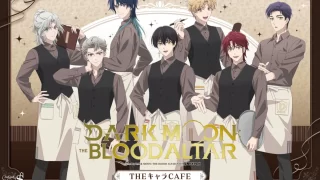
I want to enjoy character cafes and collaboration cafes
Character cafes are a special kind of fandom experience: part themed restaurant, part merchandise event, part photo-friendly memory. The food is usually designed for visual charm and theme connection, while the merchandise is often the true “limited edition” prize.
-
Plan like an event: popular cafes may require reservations or timed entry. Treat it as a mini outing, not a casual drop-in.
-
Expect themed merch: acrylic stands, coasters, keychains, and themed stationery are common. Decide your budget before you arrive.
-
Be considerate with space: cafes can be busy. Keep photos quick and tidy, and be mindful of other guests.
-
Choose your “one souvenir”: if everything is tempting, pick one item that will actually live in your daily life (keys, phone, desk).
I’m confused by pop-ups, limited shops, and collaborations
Pop-ups are temporary stores that appear inside department stores, malls, stations, or event venues. Collaborations are when a character partners with a brand (fashion, snacks, cosmetics, convenience stores, even travel campaigns). Here’s the simple way to understand them:
-
Pop-up: a place-based event with limited dates; often has exclusives and photo spots.
-
Collaboration: a brand partnership; may include products, packaging, themed menu items, or gift-with-purchase bonuses.
-
Limited edition: can apply to either; means the product may not restock or may restock unpredictably.
Beginner tip: focus on one franchise and one type of event at a time. Trying to follow everything is the fastest way to burn out.
I want to keep up with events, new releases, and limited editions
Staying updated is half the fun—when you make it manageable. Build a “lightweight system” instead of doom-scrolling.
-
Follow official sources first: official websites and official social accounts are the most reliable for release dates and store lists.
-
Add one retailer layer: major character goods retailers and convenience store campaigns often announce collaborations early.
-
Use a calendar habit: when you see a release you care about, save the date and move on. You don’t have to keep re-checking.
-
Understand “new release” rhythms: many brands refresh monthly or seasonally, and big drops often cluster around holidays and school-year transitions.
For collectors, this prevents the common trap of feeling behind. You’re not behind—releases are designed to be constant. Your job is simply to choose what’s meaningful.
I want a character “pilgrimage” experience
Some fans travel to places connected to a franchise: museums, themed stores, pop-ups in iconic department stores, theme parks, and collaboration cafes. Think of this as “character tourism.” The most satisfying trips usually have a mix:
-
One anchor destination: a museum, theme park, or flagship store experience.
-
One shopping area: a district with multiple stores so you can browse without pressure.
-
One cozy memory: a cafe visit, a photo booth moment, or a small gacha hunt.
Even if you’re not traveling, you can recreate the vibe locally with a themed desk corner, a seasonal keychain rotation, or a small display shelf that changes with the year.
I want to shop smart: in-store, shops, and mail order
Where you buy affects what you find. Beginners often do best with official stores and reputable retailers first, then explore specialty sellers later.
-
Official stores: best for current lines, reliable quality, and limited editions tied to the brand.
-
Department stores and pop-up venues: great for seasonal events, collaboration launches, and “special occasion” shopping.
-
Mail order: convenient for limited releases, but watch release windows, shipping dates, and return policies.
-
Secondhand shops: wonderful for older goods, out-of-print items, and budget finds—just take time to check condition.
I’m overwhelmed by collecting formats like gacha and Ichiban Kuji
These formats are designed to be exciting. They can also nudge you into spending more than you planned if you treat them as “shopping tasks.” Try this approach:
-
Gacha rule: set a small number of tries (like two or three), then stop. If you love the experience, you’ll still feel satisfied without chasing.
-
Lottery rule: treat it like going to a fun event, not like buying a specific prize. If your heart is set on one item, consider shopping through normal retail instead of relying on luck.
-
Trade rule: trade only with clear communication and fair expectations. The cutest collecting culture is respectful collecting.
I want character goods that look cute but still adult-friendly
This is a common goal—and Japan is excellent at it. Look for items that keep character art small, use tonal colors, or feature subtle motifs instead of large prints.
-
Great “adult cute” picks: small keychains, neutral pouches, minimalist acrylic stands, compact wallets, desk accessories, mugs.
-
Style trick: choose one character accent per outfit or bag. A single charm feels intentional, not cluttered.
-
Display trick: group small items on a tray or shelf so your space looks curated rather than scattered.
Common mistakes
-
Trying to follow every new release: constant drops are part of the system. Choose your lane and let the rest go.
-
Buying first, learning later: when you’re new, start with one practical item. You’ll discover your preferences faster.
-
Confusing “limited” with “must-have”: limited items are fun, but your favorite character won’t disappear if you skip one drop.
-
Ignoring size and storage: plush and large prizes can take over a room quickly. Plan your display space first.
-
Overpaying for hype: popularity rankings and social buzz can inflate prices. If you can wait, many items return in later lines or similar designs.
-
Gift shopping without context: the best gifts match the person’s lifestyle, not just what’s trending.
Checklist
-
Pick a “starter franchise” (Sanrio, Pokemon, Ghibli, Chiikawa, Sumikko Gurashi, or a favorite anime character).
-
Choose one collecting lane (keychains, stationery, plush, acrylic stands, pouches).
-
Set a monthly budget and a storage/display limit.
-
Follow official channels plus one trusted retailer source for announcements.
-
For pop-ups and cafes: plan dates, check entry rules, and decide your one souvenir item.
-
For gacha and lotteries: set a maximum number of tries before you start.
-
For gifts: match the person’s daily habits (bag, desk, keys, home) to a useful item.
FAQ
What’s the difference between a kawaii character and an anime character?
A kawaii character is often designed for everyday life and merchandise culture first—think stationery, accessories, seasonal themes, and brand collaborations. An anime character is usually tied to a specific story series. There’s overlap, but the shopping rhythm and event culture can feel different.
Which franchises are easiest for beginners?
Sanrio, Pokemon, and Ghibli are beginner-friendly because they have wide product ranges, many official outlets, and lots of entry-level items. Newer favorites like Chiikawa and Sumikko Gurashi can also be easy if you enjoy their mood and want cozy daily goods.
How do I keep up with limited editions without feeling stressed?
Follow official sources, then keep a simple calendar of only the releases you truly care about. Decide your budget and collecting lane ahead of time. Treat limited drops as optional bonuses, not requirements.
What are the best character goods for a practical daily life?
Keychains, pouches, stationery, compact accessories, and small desk items tend to be the most useful. They deliver the “cute boost” without taking up too much space and usually feel appropriate across many settings.
Are character cafes worth it if I’m not a serious fan?
Yes, if you enjoy themed experiences. Think of it like a seasonal event: cute presentation, a special atmosphere, and limited merchandise. It’s often most satisfying if you pick one cafe that matches a character you genuinely like rather than going just because it’s trending.
What’s a safe gift if I don’t know someone’s favorite character?
Choose something practical and low-commitment: a small pouch, a neutral keychain, or a tasteful stationery set. If you do know their favorite character, go for a desk-friendly item like an acrylic stand or a small plush that won’t be hard to display.
How do I avoid buying counterfeit or low-quality items?
Start with official stores and reputable retailers. Be cautious with unusually low prices and unclear product photos. When shopping secondhand, check condition details and choose sellers who provide clear information.
What’s the best way to start collecting without spending too much?
Choose one category (like keychains or stationery), set a monthly limit, and treat gacha or lottery formats as occasional entertainment rather than a main shopping method. A small, curated collection often looks cuter than a crowded one.
Conclusion
The joy of kawaii characters in Japan is how seamlessly they blend into daily life—through small objects, seasonal events, and gentle worlds you can return to whenever you need a little lightness. Start with one favorite character, choose a collecting lane that fits your space, and let events and collaborations be fun extras rather than pressure.
If you tell us your current favorite character (or the vibe you like—classic pastel, cozy calm, playful adventure, or modern mood), we’ll suggest a starter set of character goods and the easiest ways to keep up with new releases without overwhelm.
Editorial Policy
All articles on Kawaii Japan News are written with respect for official sources, authentic cultural insight, and regular updates to ensure accuracy and freshness.