








Kawaii hair is all about soft shine, playful shape, and touchable movement—whether you wear airy bangs, a glossy ponytail, or gentle waves that survive humidity. This guide brings together everyday routines, time-saving styling, and frizz control tips that fit real life (and Japan’s famously changeable seasons).
- Key Takeaways
- Fundamentals
- Guides by common problems
- Frizzy hair and rainy season humidity control
- Wavy hair management that stays “soft cute”
- Curly hair: definition, not stiffness
- Shiny hair without heaviness
- Bangs styling: airy, cute, and not greasy
- Easy styles: ponytail, bun, half-up
- Straightening and heat damage: staying cute long-term
- Static electricity and winter flyaways
- Common mistakes
- Checklist
- FAQ
- How do I make my hair look kawaii without changing my haircut?
- What’s the easiest way to control frizzy hair on humid days?
- My bangs get greasy quickly—what should I do?
- How can I style wavy hair so it stays soft and not crunchy?
- Is it bad to use a hair iron every day?
- What’s a good time-saving styling routine for busy mornings?
- How do I reduce static electricity without making my hair look oily?
- Conclusion
Key Takeaways
- Cute hair styling starts with the right “base”: clean scalp, balanced moisture, and gentle drying.
- Frizz and wavy hair management improves most with technique (drying, brushing, finishing) before adding more products.
- Humidity control is easiest when you seal your style: light layers + the right amount of hair oil or spray.
- Bangs styling works best when you set shape early (right after washing or lightly re-wetting).
- Heat tools can be kawaii-friendly when you use smart temperatures and protect your ends from heat damage.



Fundamentals
What “kawaii” hair looks like in daily life
Kawaii beauty isn’t about perfection—it’s about a cheerful, polished impression that still feels approachable. Hair tends to look “cute” when it has:
-
Soft shine (not greasy): light reflects evenly along the hair length.
-
Intentional shape: airy bangs, rounded ends, or a clean silhouette in updos.
-
Touchable texture: movement that looks natural, even when styled.
-
Neat details: smooth crown, tidy parting, and controlled flyaways.
If you want more routines in this category, browse Haircare inside Kawaii Japan Beauty.
Hair types and what they usually need
-
Fine hair: benefits from lightweight conditioning, careful heat use, and styling that adds airy volume (not heavy oils at the roots).
-
Thick hair: often needs thorough drying and sectioning; smoothing steps matter most at the crown and ends.
-
Wavy hair: thrives with moisture + gentle definition; rough towel-drying is a common frizz trigger.
-
Curly hair: usually prefers “less friction, more hydration,” plus styling that sets curl shape before it fully dries.
-
Straight hair: can focus on shine, static electricity control, and ends that curve softly for a cute silhouette.
The simple routine that makes styling easier
-
Wash with intention: focus shampoo on the scalp; let the suds rinse through lengths rather than scrubbing the ends.
-
Condition strategically: apply from mid-lengths to ends; rinse well so hair feels smooth but not coated.
-
Remove water gently: squeeze with a towel instead of rubbing (friction can increase frizzy hair and fuzziness).
-
Detangle carefully: use a wide-tooth comb or gentle brushing from the ends upward, especially for wavy or curly hair.
-
Dry in sections: even if you’re time-saving, two to four sections reduce frizz and boost shine.
Tools, without the drama
-
Hair dryer: aim airflow downward along the hair shaft for shinier hair; finish with cooler air to help set smoothness.
-
Hair iron (straightener/curling): pick a temperature that works for your hair type—higher isn’t automatically better. Fewer passes are kinder than repeated “touch-ups.”
-
Brushes: a gentle brush is great for straight or lightly wavy hair; very curly hair often prefers combing when damp to avoid breaking curl patterns.
-
Hairpins and accessories: cute hair styling often looks “finished” with one thoughtful detail—hairpin placement, a neat clip, or a clean elastic.
Guides by common problems
Frizzy hair and rainy season humidity control
Japan’s rainy season is legendary for turning “nice waves” into “mystery puff.” The secret is layering: reduce swelling with moisture, then seal with a light finish.
-
Before drying: use a smoothing leave-in such as hair milk (light hydration) on mid-lengths to ends.
-
During drying: keep the nozzle pointed downward; don’t blast hair upward from underneath unless you’re intentionally creating volume.
-
After drying: warm a tiny amount of hair oil between palms and smooth over the surface and ends. Start small; add only if needed.
-
Seal the finish: a light hairspray can help hold shape and reduce flyaways without making hair look stiff—spray from a distance and focus on the outer layer.
If frizz still returns quickly, check your habits: rubbing with a towel, over-brushing when dry, and touching hair constantly are common triggers.
Wavy hair management that stays “soft cute”
Waves look especially kawaii when they’re defined but not crunchy. Try this technique for everyday waves:
-
Set your wave early: after washing, apply a small amount of leave-in (hair milk or a light cream) and gently scrunch.
-
Dry with minimal friction: either air-dry with occasional scrunching, or diffuse on low airflow.
-
Choose a “single hero step”: either a little hair oil at the ends or a light spray for hold—doing both heavily can weigh waves down.
For time-saving styling, refresh on non-wash days by lightly misting the mid-lengths, then re-scrunching and smoothing the top layer with your palms.
Curly hair: definition, not stiffness
Curly hair can look adorable with a rounded silhouette and controlled halo frizz. A gentle approach usually works best:
-
Detangle when damp: comb through in sections to reduce breakage and preserve curl grouping.
-
Apply product with “praying hands”: smooth leave-in through curls, then scrunch to encourage curl shape.
-
Hands off while drying: touching curls as they dry can create frizz; wait until fully dry, then separate gently for softness.
-
Finish lightly: a tiny amount of oil can add shine and reduce puff, especially on the outer layer.
Shiny hair without heaviness
Shine is more about surface smoothness than “more product.” To build glossy results:
-
Dry thoroughly: damp patches can look dull and frizzy later. Even five extra minutes of sectioned drying can transform the finish.
-
Use a hair mask wisely: once or twice weekly is often plenty. Apply mainly to ends, and rinse well so hair doesn’t look flat.
-
Brush with intention: a gentle brushing routine can help distribute natural oils on straight-to-wavy hair—avoid aggressive brushing for curls.
-
Oil placement matters: apply hair oil to ends first; whatever remains on hands can be smoothed over the surface.
Bangs styling: airy, cute, and not greasy
Bangs are a signature cute hair styling detail, but they’re also the first to react to humidity and forehead oil. Try this routine:
-
Start slightly damp: after washing, dry bangs first. On non-wash days, lightly re-wet just the bangs area and reset the shape.
-
Blow-dry side to side: moving bangs left and right while drying helps prevent a split and creates an airy curve.
-
Set the bend: a hair iron on a gentle setting can curve the ends slightly under (avoid pressing the roots flat).
-
Control shine at the roots: use minimal oil near bangs; if you use finishing products, keep them on the ends and outer layer.
For extra cuteness, pair soft bangs with a half-up style or a neat hairpin near the temple—small details read as intentional.
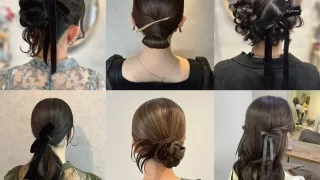
Easy styles: ponytail, bun, half-up
Kawaii hairstyles often look best when the silhouette is clean and the details are tidy.
-
Ponytail: smooth the crown with your palms and a tiny bit of product; wrap a small strand around the elastic for a polished finish.
-
Bun: keep it cute by leaving a few soft face-framing pieces; secure with hairpins placed in an “X” for stability.
-
Half-up style: perfect for wavy hair management—lift the top section for volume, then keep the lower lengths soft and defined.
Straightening and heat damage: staying cute long-term
Straightening can look sleek and adorable, especially with softly curved ends. To reduce heat damage and keep hair feeling nice:
-
Dry first: using a hair iron on damp hair increases stress on the strand.
-
Use fewer passes: one slow, controlled pass is usually better than many quick ones.
-
Protect the ends: apply leave-in on damp hair and a tiny amount of oil after styling to reduce roughness on the tips.
Static electricity and winter flyaways
In drier months, static electricity can make hair look fuzzy and “floaty.” Try:
-
Gentle hydration: a light leave-in helps, especially on mid-lengths.
-
Accessory strategy: a smooth hairpin or clip can hold flyaways in place while looking intentionally cute.
-
Finish lightly: a tiny amount of oil smoothed over the outer layer often calms static better than heavy layering.
Common mistakes
-
Using too much hair oil: it can collapse volume and make bangs separate. Start with less than you think.
-
Rough towel-drying: friction is a top cause of frizzy hair and dullness.
-
Overheating with a hair iron: higher heat can create quick results but may lead to dry-feeling ends over time.
-
Skipping sectioning: styling faster often happens when you section, not when you rush.
-
Brushing curls like straight hair: it can break curl definition and create puff.
-
Chasing “perfect” bangs all day: repeated touch-ups add heat and product buildup—reset once, then leave them.
Checklist
-
Choose a routine that matches your hair type (fine, thick, wavy, curly, straight).
-
Dry gently: squeeze water out, then blow-dry in sections with airflow downward.
-
Pick one main finisher: hair oil or hairspray (use both lightly if needed).
-
For humidity control, seal the outer layer and ends after drying.
-
Style bangs first, especially on humid days.
-
Limit heat: use reasonable temperatures and reduce repeated passes.
-
Keep a few “cute detail” tools ready: hairpin, small elastic, and a brush/comb that suits your texture.
FAQ
How do I make my hair look kawaii without changing my haircut?
Focus on shine and shape: smooth the crown, add a soft bend to the ends, and finish with one cute detail like a neat half-up style or a well-placed hairpin.
What’s the easiest way to control frizzy hair on humid days?
Use a gentle leave-in on damp hair, dry with airflow directed downward, then seal with a tiny amount of hair oil on the surface and ends. Keep product light near the roots and bangs.
My bangs get greasy quickly—what should I do?
Dry bangs first after washing, avoid heavy oils near the fringe, and reset shape by lightly dampening only the bangs area. Keeping finishing products on the ends (not roots) helps maintain an airy look.
How can I style wavy hair so it stays soft and not crunchy?
Use minimal product, scrunch gently while damp, and avoid touching your waves as they dry. Once fully dry, separate lightly for softness and finish with a small amount of oil on the ends if needed.
Is it bad to use a hair iron every day?
Frequent heat styling can make hair feel drier over time, especially at the ends. If you use a hair iron often, keep the temperature reasonable, reduce repeated passes, and prioritize thorough drying and gentle finishing steps.
What’s a good time-saving styling routine for busy mornings?
Pick a signature style you can repeat: a polished ponytail, a neat bun with face-framing pieces, or a half-up style. Refresh with a quick mist, smooth the crown, then finish with one light product for control.
How do I reduce static electricity without making my hair look oily?
Use a light leave-in on mid-lengths, then smooth a tiny amount of oil over the outer layer—start at the ends. Accessories like clips can also keep flyaways in place while looking cute.
Conclusion
Kawaii hair isn’t one specific texture or trend—it’s a mood you can create with shine, gentle shape, and tidy details that suit your own hair type. Start with a simple routine, keep products light, and choose one “signature” style you can rely on through humidity, busy mornings, and everything in between.
If you’d like, tell us your hair type (fine, wavy, curly, or straight) and your biggest struggle (frizz, bangs, speed, or shine), and we’ll help you build a kawaii-friendly routine that feels realistic for your day.
Editorial Policy
All articles on Kawaii Japan News are written with respect for official sources, authentic cultural insight, and regular updates to ensure accuracy and freshness.