

The α Generation’s Beauty Revolution: A New Era of “Natural Familiarity”
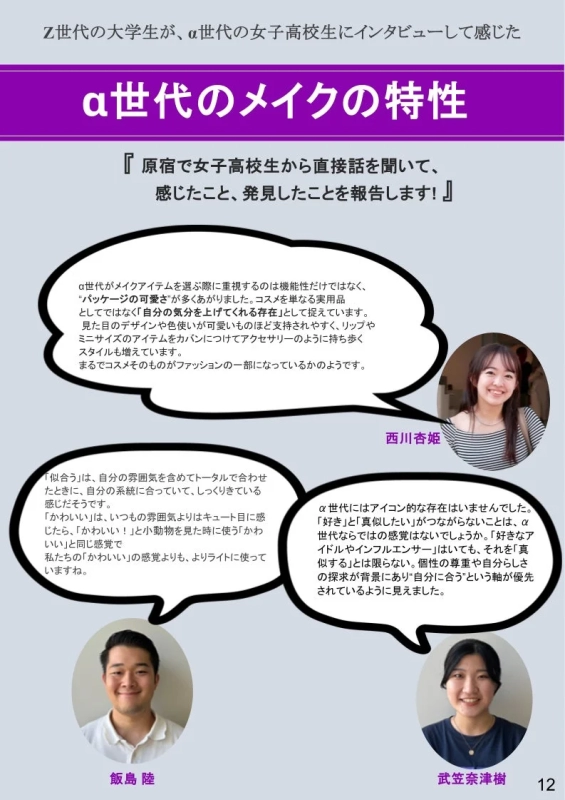
The “α Generation White Paper Inaugural Issue 2026 SS,” released on December 18th, unveils a significant shift in beauty values among the α Generation. This collaborative research, spearheaded by the α Generation Lab (part of On’yomi Inc.) in partnership with Professor Atsushi Kogoma’s Laboratory at Sanno University and Talkeye Inc., with cooperation from KOSÉ Corporation, dives deep into the α Generation’s makeup consciousness and consumer actions. The findings highlight a clear preference for “natural familiarity” over adherence to popular trends.

The α Generation, generally defined as those born between approximately 2010 and 2024, are digital natives who have grown up with AI and social media as integral parts of their daily lives. This context shapes their approach to beauty, moving away from the “enhancing” focus often seen in the Z Generation towards a more “refining” aesthetic. The research, which included quantitative and qualitative surveys, street interviews in Harajuku, and an in-depth interview with actress and model Otoka Shiraishi, paints a vivid picture of this emerging consumer group.
Key Characteristics of α Generation’s Makeup and Consumption Behavior
The investigation brought to light several distinct traits in how the α Generation approaches makeup and purchasing:
-
Prioritizing Personal Fit: Rather than blindly following trends, the α Generation’s primary concern is whether makeup “naturally suits their face.” This practical orientation underscores a desire for products that integrate seamlessly with their individual features.
-
Hybrid Information Gathering: Their journey to discovery is a blend of objective and subjective inputs. They gather broad, objective information from social media and AI diagnostic tools. However, the ultimate decision to purchase is heavily influenced by the “empathy” and “reassurance” they receive from trusted individuals, like friends and family, who affirm that a product “looks good on them.”
-
“Looks Good on You” as Validation: For the α Generation, being told something “looks good on you” transcends a mere aesthetic judgment. It signifies “empathy and endorsement” for their personal choices, a powerful motivator in their decision-making process.
-
High Interest in AI: The survey revealed a strong inclination towards AI, with 40 out of 45 α Generation participants expressing willingness to use AI for makeup checks. They view AI as an “honest advisor” capable of providing objective guidance.
-
Self-Centric Approach: Unlike previous generations who might imitate idols or influencers, the α Generation demonstrates a “self-centric” mindset. They critically assess whether a trend or product truly “suits them,” prioritizing their unique identity over direct emulation. This means that while they might admire an influencer, their personal choice is rooted in self-expression.
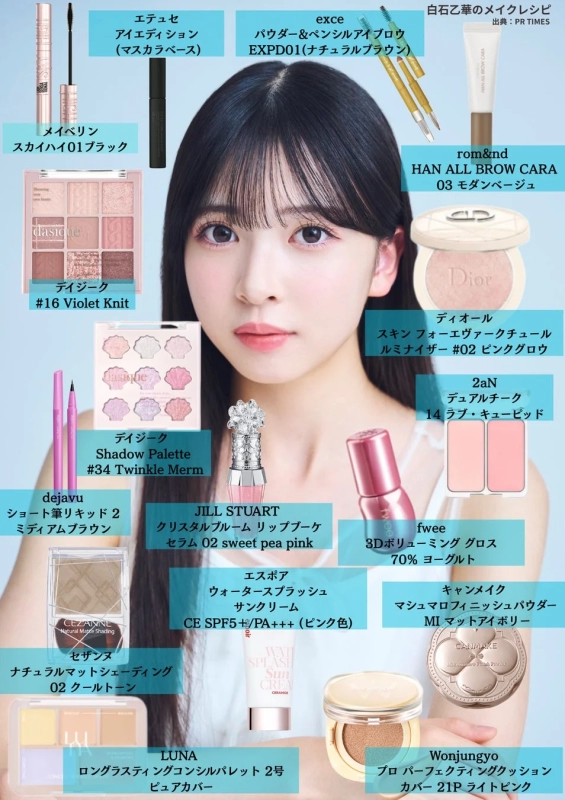
Otoka Shiraishi, a prominent figure among the α Generation, echoed these sentiments, stating, “Speaking about it again, I really feel how much I value ‘what suits me’ in my daily life. Choosing what suits me boosts my confidence and allows me to enjoy fashion more authentically.” Her words capture the essence of this generation’s quest for genuine self-expression through beauty.
Implications for the Future of Beauty and Kawaii Culture
These findings suggest a profound shift for brands and marketers aiming to connect with the α Generation. The focus should pivot from promoting universal trends to emphasizing personalization, product functionality, and the emotional reassurance that a product truly aligns with an individual’s identity. The rise of AI as a trusted advisor and the importance of peer validation mean that marketing strategies must be multifaceted, integrating objective data with subjective, empathetic connections.
For the future of Kawaii culture abroad, the α Generation’s influence points towards an evolution. While the allure of cute and charming aesthetics remains, it will likely be filtered through a lens of authenticity and personal relevance. Kawaii will not just be about external cuteness but about how that cuteness resonates with and enhances one’s individual style, fostering a more personalized and self-aware expression of beauty globally. This generation’s emphasis on “what suits me” will likely shape a Kawaii that is both aspirational and deeply personal, moving beyond mere imitation to genuine self-discovery.
For more detailed insights, the full report can be downloaded here.
Learn more about the α Generation Lab and its initiatives: α Generation Lab Website