

A Sanctuary of Sakura and Serenity
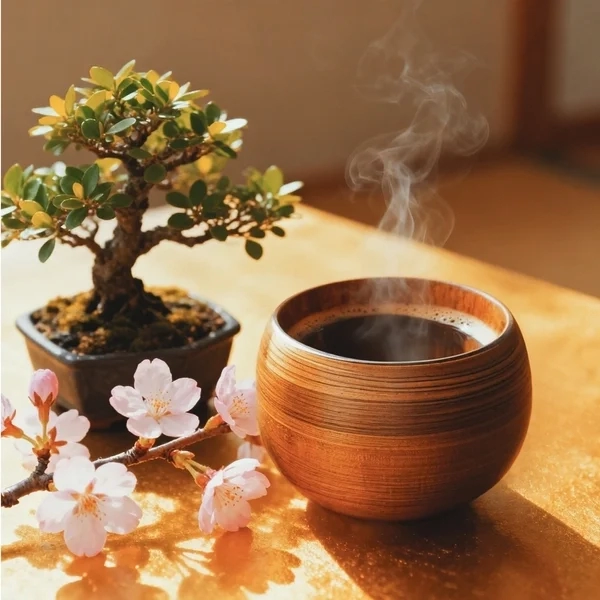
Set within Mitsuzoin Temple’s first guest hall, the BONSAI CAFE transforms the space into a tranquil haven celebrating the “plant nursery town” heritage of Kawaguchi’s Angyo district. Visitors are invited to unwind, surrounded by meticulously arranged bonsai and the delicate blossoms of the Angyo Sakura trees blooming just outside. This setting itself becomes part of the experience, inviting quiet contemplation.

Adding to this sensory delight is the aroma of carefully prepared specialty coffee. COVERT COFFEE’s baristas will hand-drip single-origin, light-roasted beans, chosen for their specific farms, varieties, and processing methods. Each cup is crafted with meticulous attention to water quality, temperature, and grind, offering a rich, enveloping fragrance and distinct flavors that rival fine wines or teas. It’s a moment to truly savor the present, enveloped by the beauty of nature.
Exquisite Offerings and Seasonal Delights
The BONSAI CAFE’s menu is curated to complement the aesthetic and seasonal theme. Coffee enthusiasts can explore a selection of single-origin coffees, each telling a story of its origin:
-
Geisha (Palestina El Silencio / Colombia): 1,400 yen
-
Yellow Pacamara (Huehuetenango / Nicaragua): 1,200 yen
-
Sudan Rume (Perla de Otun / Colombia): 1,300 yen
-
Bourbon RAB C15 (Sheela Coffee Watching Station / Rwanda): 1,000 yen
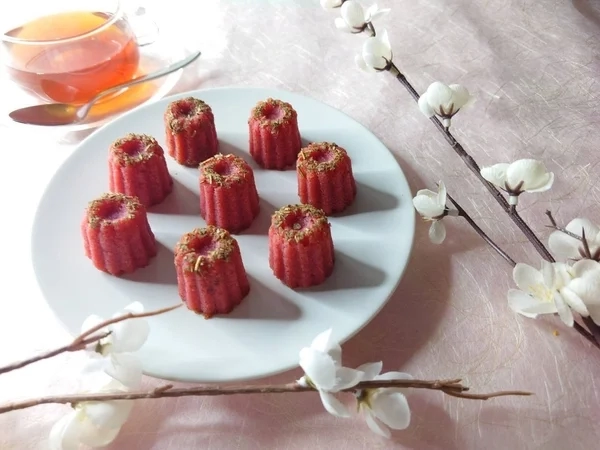
Beyond coffee, guests can enjoy a refreshing Sakura Rosé Wine (900 yen), a delicate Sakura Fraise Financier (350 yen), and a special Mitsuzoin Sakura Festival limited Sakura Anpan (350 yen), perfect for a sweet treat under the blossoms.
Angyo Sakura: A Glimpse into the Season’s Beauty
As of March 6, 2026, the Angyo Sakura (Angyo Kanzakura) in Kawaguchi City’s Mitsuzoin and surrounding areas have begun blooming approximately one week earlier than usual, due to a stretch of warm weather in late February. The trees are currently 20-30% in bloom and are expected to reach full bloom between March 10 and 21. Weekdays are recommended for a more leisurely viewing experience, as large crowds are anticipated on weekends.
Engaging with Bonsai Culture: A Hands-On Experience
Hachisuba BONSAI-Art, an entity dedicated to preserving and modernizing the four-century-old bonsai tradition of Kawaguchi, is a key partner in this event. Beyond the visual display, the BONSAI CAFE offers a unique opportunity to engage with this intricate art form. A special “Asahiyama” cherry bonsai workshop is scheduled for March 14 (Saturday), with sessions at 11:00 AM and 2:00 PM. Participants will learn the fundamentals of cherry bonsai cultivation, from soil preparation and planting techniques to daily care, allowing them to nurture their own “miniature cherry blossom viewing” at home long after the festival concludes. Reservations for this special workshop can be made via the Mitsuzoin Sakura Festival official website.
This initiative by Waltz Co. embodies its philosophy of “Authentic yet Innovative,” seeking to connect regional culture with contemporary values. The BONSAI CAFE is more than just a temporary cafe; it’s a cross-cultural experience that intertwines Kawaguchi’s plant nursery heritage, the ephemeral beauty of sakura, and modern food culture, offering a fresh perspective on traditional Japanese lifestyle. “It’s fascinating to see how deeply rooted traditions like bonsai can find new expressions alongside modern trends like specialty coffee,” one visitor might reflect, appreciating the thoughtful blend.
Event Details
-
Name: BONSAI CAFE
-
Period: March 10 (Tuesday) – March 29 (Sunday), 2026
-
Time: 10:00 AM – 4:00 PM
-
Venue: Mitsuzoin First Guest Hall (2008 Angyo-hara, Kawaguchi City, Saitama Prefecture)
-
Organizer: Waltz Co.
-
Inquiries: urata@05-marugo.com (Contact: Urata)
-
Bonsai Cooperation: Hachisuba BONSAI-Art / Bonsai Kirakuen
-
Coffee Cooperation: COVERT COFFEE
This unique fusion of Angyo Sakura, traditional bonsai, and exquisite specialty coffee at Mitsuzoin Temple illustrates a growing trend of revitalizing local Japanese culture through innovative, immersive experiences. Such events not only celebrate regional heritage but also introduce it to a global audience in engaging new ways, fostering a deeper appreciation for the nuanced beauty of Japanese aesthetics and lifestyle.