
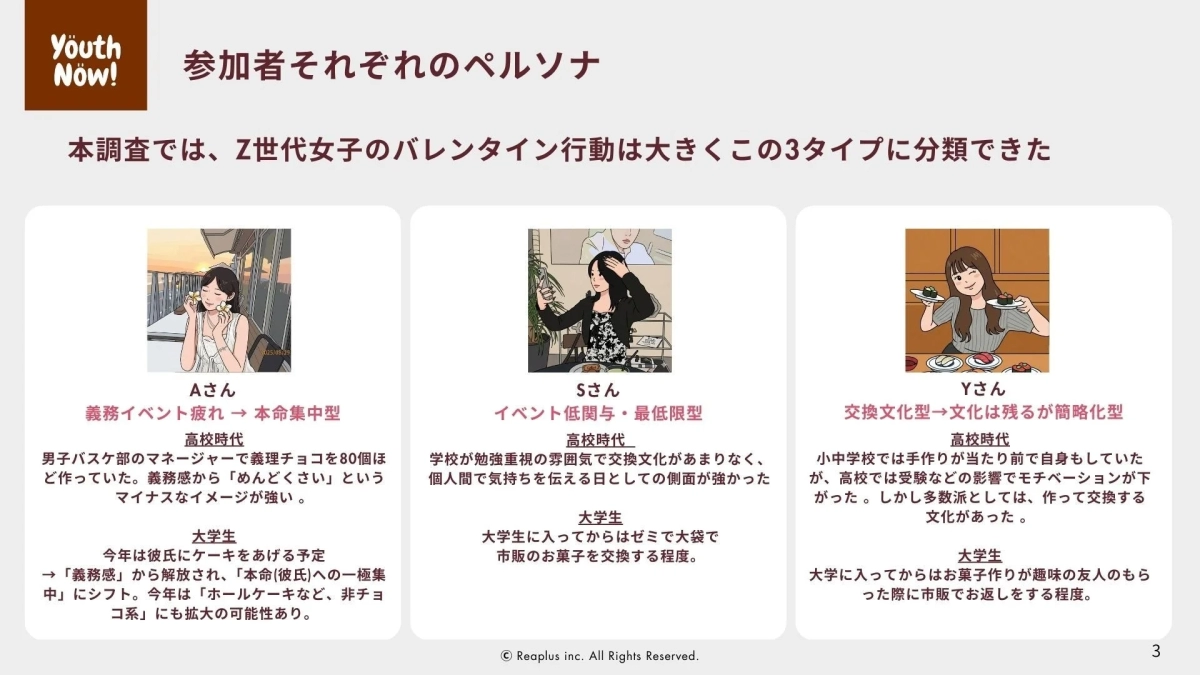
Three Types of Gen Z Valentine’s Behavior
The survey identified three main categories of Valentine’s Day behavior among Gen Z women:
- Obligation-Fatigued → Main Squeeze Focus: Many high schoolers felt burdened by making numerous giri-choco. As university students, this obligation has given way to a concentrated effort on a boyfriend or crush, often spending between ¥3,000 and ¥5,000 on a single, luxurious item. Interestingly, non-chocolate items, like whole cakes, are now also popular choices.
- Low Engagement & Minimalist: Some students have limited experience with exchange culture, often opting for light exchanges of store-bought sweets in academic settings, demonstrating lower overall motivation for the event.
- Exchange Culture → Simplified: While some experienced the handmade culture in elementary and junior high, this has simplified in university to exchanging store-bought items when receiving gifts from friends.
This trend underscores a desire for more meaningful, less obligatory interactions, echoing a broader shift towards authenticity in youth culture. “It’s not just about giving; it’s about genuine connection and personal expression,” noted one observer of the trend.
Packaging as an Experience, Not Just a Container
For brands, the study highlights the critical role of packaging. It’s no longer just about protecting the product; it’s about crafting an “experience design” that elevates the product’s value. Packaging design is often the final determinant in purchasing decisions for Valentine’s-related goods. Trend-aligned elements, such as “balletcore” ribbon motifs, create a sense of exclusivity and seasonality, directly translating emotional appeal into purchasing intent.
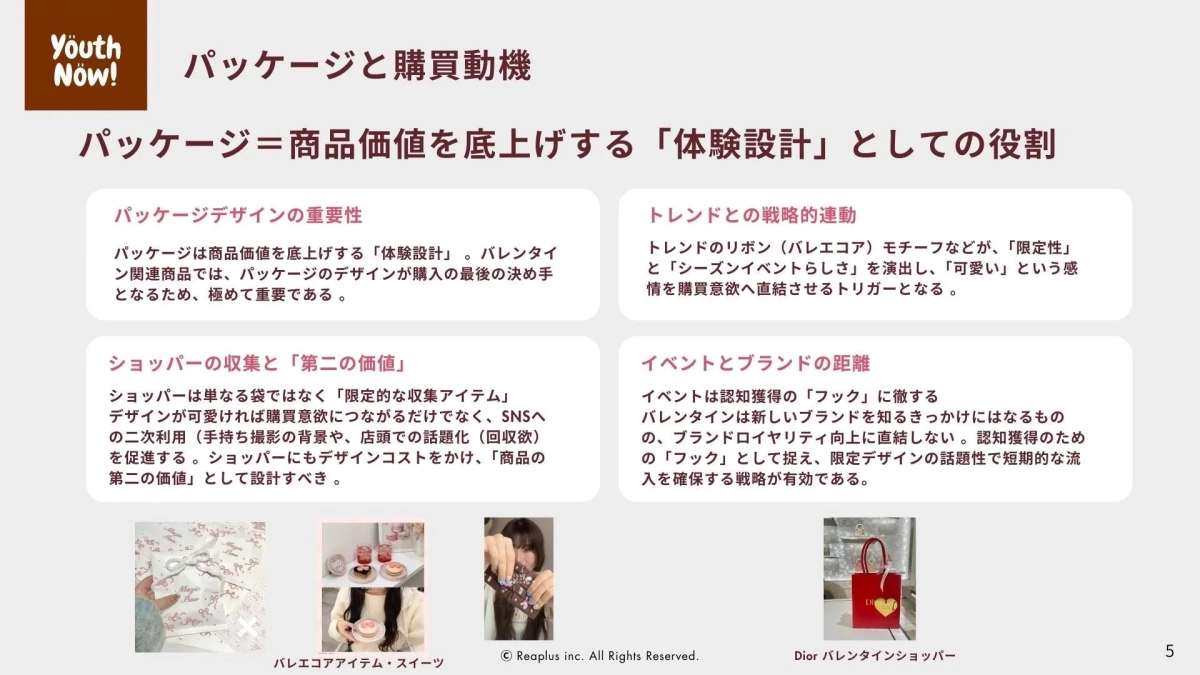
Shopping bags, too, are seen as more than mere carriers. They’re becoming “limited edition collectible items” that drive purchasing desire and encourage secondary use on social media, acting as a backdrop for photos and generating buzz in stores.
Implications for Brands: From Selling to Storytelling
For companies and brands, the insights suggest a strategic pivot: Valentine’s Day should be viewed less as a “selling day” and more as an “awareness day.” Instead of pushing high-priced items, brands should focus on redefining everyday products within a seasonal context. Crafting packaging and copy that evokes a “limited-time” feeling is crucial. Using evocative, sensory language (e.g., “a color like melted chocolate on your lips”) can effectively repurpose existing products for Valentine’s without incurring high development costs.
Reaplus Inc. specializes in addressing the challenges of engaging with Gen Z. Utilizing “Youth Now!”, the company offers unique research and marketing strategies, from understanding underlying values to designing social media and content-driven campaigns.
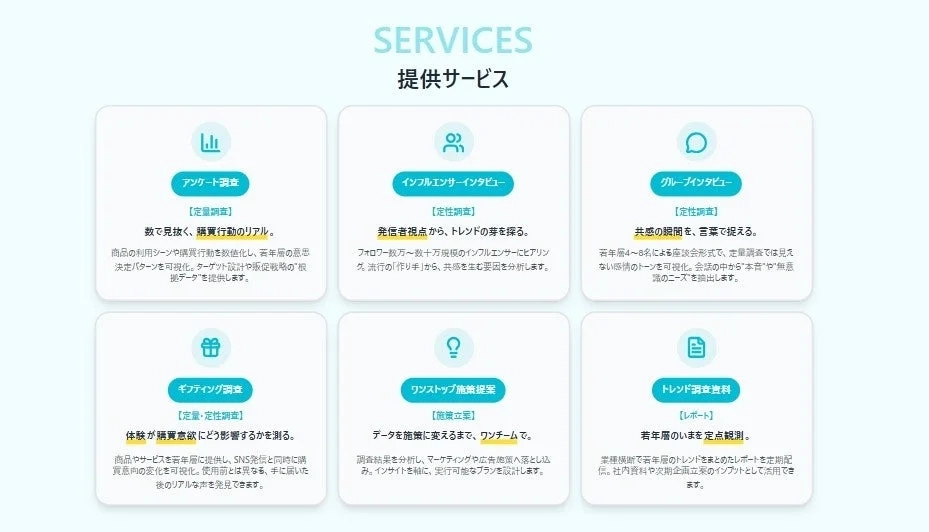
Their services include:
-
Survey Research: Quantifying purchasing behavior to provide data for target and sales promotion strategies.
-
Influencer Interviews: Uncovering emerging trends from the perspective of content creators.
-
Group Interviews: Capturing the emotional nuances and unconscious needs of young consumers.
-
Gifting Surveys: Measuring the impact of product experiences on purchasing intent, often through SNS engagement.
-
One-Stop Strategy Proposals: Translating research insights into actionable marketing and advertising plans.
-
Trend Research Materials: Regular reports on cross-industry Gen Z trends for internal planning.
Companies looking to connect with Gen Z, create relatable brand experiences, or integrate these insights into product development and marketing are encouraged to contact Reaplus for a free marketing consultation. You can find more information or request the full report here:
-
Youth Now! Valentine Survey Report: https://www.youthnow.jp/report/valentine-survey-2025
-
Reaplus Contact: https://youthnow.jp
-
Reaplus Corporate Website: https://reaplus.jp/
-
Reaplus Note (blog): https://note.com/reaplus_
The Future of Kawaii Culture Abroad
This shift in Valentine’s Day traditions among Gen Z in Japan reflects a broader global trend towards authenticity, personalization, and experience-driven consumption. For kawaii culture abroad, this means an increased emphasis on genuine connection rather than superficial gestures. Brands seeking to resonate with international Gen Z audiences should consider how their products and marketing can tap into this desire for individuality and meaningful interaction, moving beyond generic cuteness to foster deeper, more personal bonds. The future of kawaii will likely be less about mass appeal and more about tailored, heartfelt expressions that reflect the unique values of each individual.