
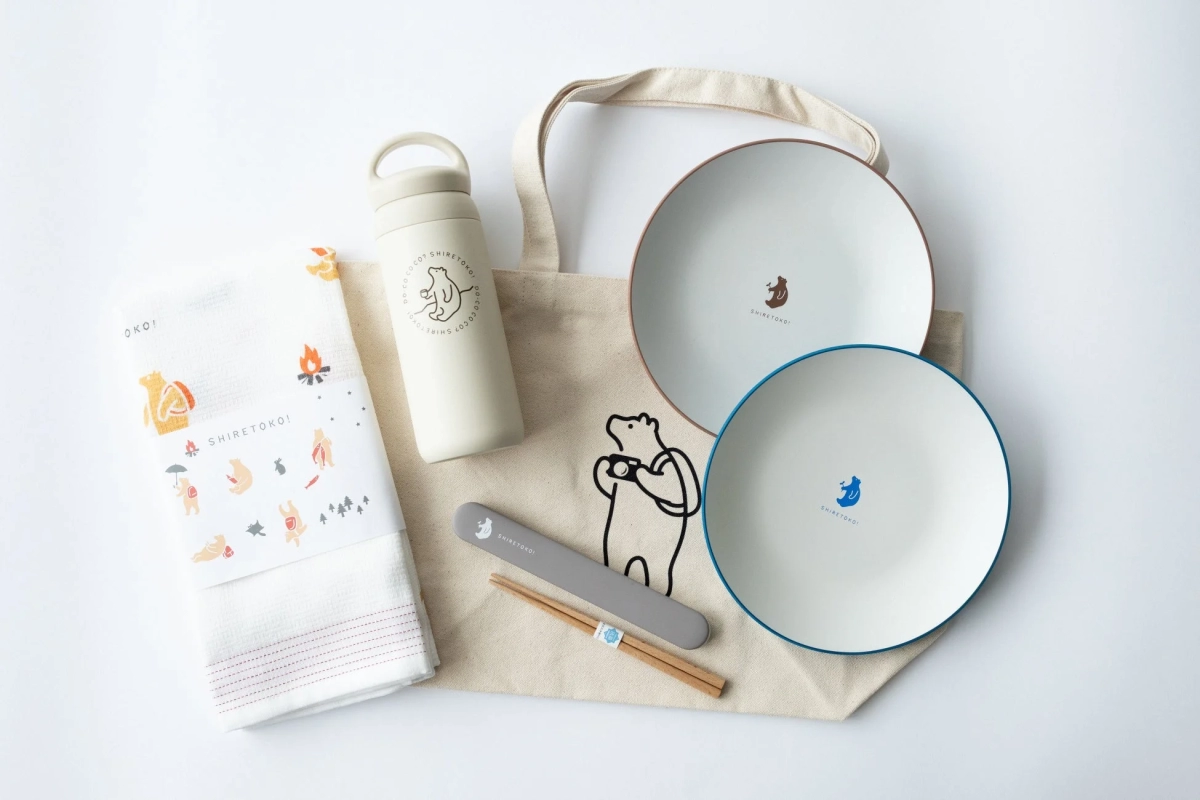
Japan’s Ceramic Tableware Market Forecasted for Robust Growth
Japan’s ceramic tableware market is on a trajectory for substantial expansion, with a new report projecting growth of over $260 million USD between 2025 and 2030. This surge is fueled by a fascinating interplay of evolving consumer behaviors, a rekindled passion for home cooking, and a deep appreciation for unique Japanese craftsmanship that resonates with both traditional and modern aesthetics.
The market’s dynamism is particularly evident among younger urban consumers and design-conscious households. A noticeable shift towards dining at home, driven by factors like rising restaurant costs and a renewed interest in culinary traditions, is boosting demand. This has led to a preference for compact, modular ceramic products that fit space-conscious living and offer versatility for various dishes and meal settings. Social media platforms like Instagram and Rakuten Room play a significant role, with content creators frequently showcasing aesthetically pleasing home setups featuring coordinated ceramic plates and serving dishes, inspiring aspirational purchases. Beyond full sets, consumers are seeking accent pieces that complement seasonal menus, reflecting a desire for both beauty and utility in their daily lives. The increased frequency of home use also drives demand for microwave and dishwasher-safe materials, fostering consistent support for contemporary porcelain and glazed stoneware.
A Tapestry of Tradition and Taste
Japanese ceramics are deeply woven into the fabric of daily life, extending from practical use to profound cultural aesthetics. From industrially produced items to artisan-crafted studio pottery, the range is vast. Across the nation, ceramic pieces are not merely functional tools; they express the changing seasons, regional traditions, and individual preferences. Households often possess multiple sets of tableware, chosen for everyday meals, entertaining guests, or ceremonial occasions. Traditional styles like Mino-yaki and Arita-yaki, originating from regions such as Gifu and Saga, continue to influence national trends. Unlike Western markets, where uniformity is often prized, Japanese consumers tend to favor asymmetrical designs and diverse textures, aligning with the broader aesthetic of “wabi-sabi” – finding beauty in imperfection and transience.
In bustling cities like Tokyo and Osaka, contemporary tableware brands that fuse minimalist design with traditional materials hold a strong presence. Meanwhile, rural communities maintain a deep fondness for rustic, handcrafted items. The presentation of seasonal cuisine plays a direct role in shaping product demand, with meals served on tableware that enhances both the food and the season. This tendency encourages frequent replacement and purchase of ceramic products. Formal gifting customs, especially during mid-year and year-end seasons, further bolster continuous sales. Ceramics also hold a vital place in Japan’s tea culture, with dedicated tea bowls, saucers, and teapots being indispensable elements in personal and communal tea rituals. The domestic market is a blend of mass-production manufacturers and small-scale kilns, with department stores and curated lifestyle retailers carefully selecting offerings to meet diverse consumer expectations.
Diverse Offerings: From Dinnerware to Cookware
The market is segmented by product type, material, end-user, and distribution channel, each revealing unique characteristics:
-
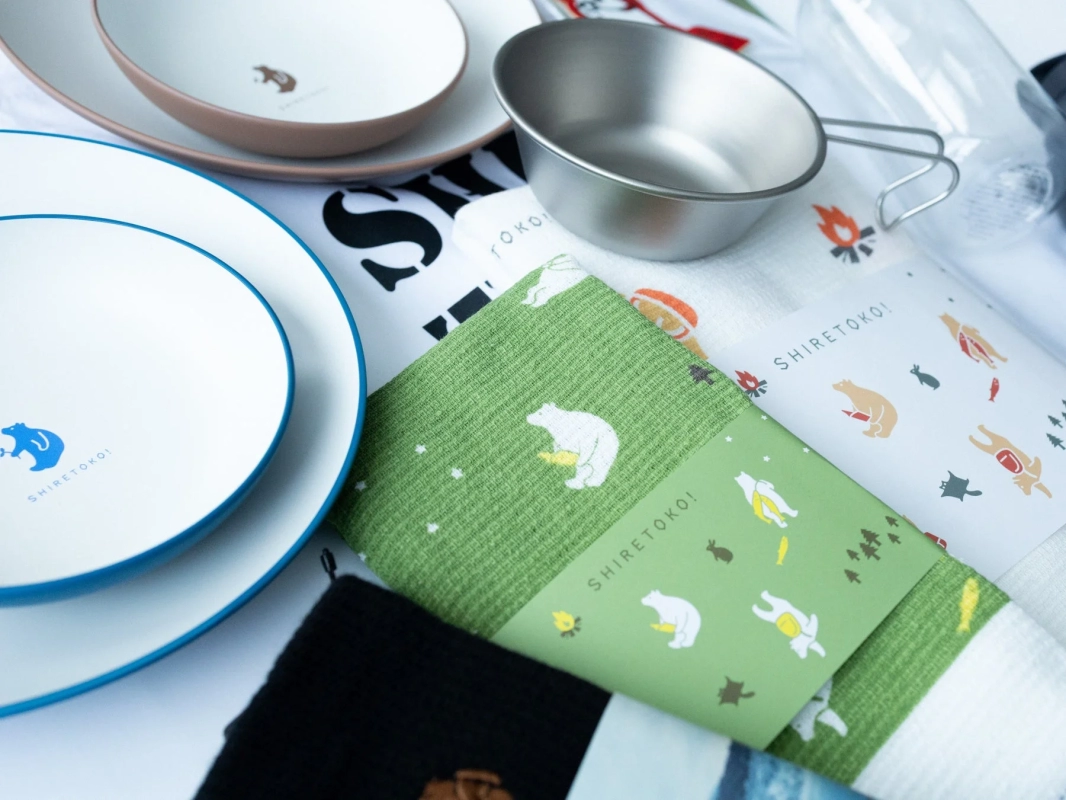
Dinnerware: This category is the most established and frequently used ceramic segment in Japan, essential to the dining culture that favors serving meals with numerous small plates. The custom of using specific dishes for rice, pickles, grilled fish, and simmered foods drives demand for diverse tableware with varying depths, rim shapes, and diameters, rather than uniform sets. Preferences for traditional lacquer-style patterns or contemporary minimalist motifs vary by age group and region. Mid-income households often acquire casual tableware with hand-painted accents at seasonal department store events and regional product fairs.
-
Cookware: Cookware holds a firm place in Japan’s ceramic tradition, with donabe (earthenware pots) and ceramic steamers remaining central to cold-weather cooking. These are particularly popular in northern prefectures like Niigata and Akita, where stews and hot pot dishes are common. Ceramic cooking pots are favored for their ability to maintain even heat and be brought directly to the table, blurring the lines between cooking and serving. While cast iron and induction-compatible cookware are gaining traction, ceramics remain a staple for specific home dishes, especially those associated with winter and family gatherings.
-
Beverage Ware: Tea-ware, including tea bowls, yunomi (teacups), and sake-ware, continues to evolve as both daily essentials and collector’s items. Driven by Japan’s unique tea culture and a growing interest in specialty coffee, tactile ceramic mugs and tumblers are increasingly sought after by younger consumers, particularly pieces from studio artists in Tochigi and Nagano. Beverage containers are also popular souvenirs, often purchased at local exhibitions and pop-up stores in transportation hubs. Changes in beverage consumption habits, such as home espresso brewing and herbal tea, contribute to this sector’s sustained growth.
Materials: A Spectrum of Styles
When it comes to materials, porcelain dominates for tableware due to its lightness, whiteness, and adaptability to diverse cooking and presentation styles. Arita-yaki and Hasami-yaki porcelain products are widely distributed through department stores and remain favored for formal occasions and seasonal gifts. Its uniform surface quality and durability, coupled with its alignment with both modern and traditional aesthetics, make Japanese porcelain widely cherished across all demographics. Bone china, while found in high-end Japanese homeware stores, lacks the same cultural affinity as porcelain and is mainly treated as bridal gifts or luxury tea sets. Its association with European dining culture creates a niche appeal among older and affluent urban populations.
In contrast, stoneware is experiencing a resurgence in popularity, especially in lifestyle-oriented cities like Kobe and Yokohama. Its slightly heavier feel and matte or textured finishes offer a more natural, grounded impression, aligning with growing preferences for Scandinavian-inspired interior styles and organic dining experiences. Many Japanese lifestyle brands are now collaborating with domestic kilns to produce stoneware collections that blend traditional techniques with contemporary color palettes. Earthenware maintains its presence primarily in cooking and beverage contexts, with its rustic finishes and tactile clay texture favored in historic regions like Tokoname. This material appeals to consumers interested in slow cooking and more tactile table settings, featuring prominently in domestic tourism and craft fairs. The popularity of handcrafted earthenware among younger consumers reflects a desire for unique, individual pieces as opposed to mass-produced items, particularly when purchased directly from pottery markets or limited online collections. These material choices reflect a broader consumer preference in Japan for blending tradition with personal expression.
Household Dominance and Commercial Craftsmanship
Household use overwhelmingly drives ceramic tableware consumption in Japan, shaped by deeply ingrained traditions of food presentation, seasonal table settings, and the social significance of home dining. Many households maintain separate sets for daily meals, guests, and celebrations, often with built-in storage in kitchen cabinets to accommodate rotation. Housing-related purchases are particularly common during life milestones such as marriage, relocation, and retirement, when it is customary to acquire new or expanded ceramic tableware sets. Young professionals in cities like Nagoya and Fukuoka are increasingly opting for compact, curated selections to frequently change their dining space ambiance. Individual item purchases are also more frequent compared to other countries, reflecting a preference for diversity and item-by-item harmony over the uniformity of full sets.
Commercially, use is prominent in the hospitality industry, particularly in ryokan (traditional inns), kaiseki restaurants (multi-course haute cuisine), and tea rooms, where handcrafted or regionally specific ceramics are chosen to emphasize brand storytelling and cultural relevance. High-end dining establishments often see chefs collaborating with local potters to design bespoke tableware tailored to seasonal menus and plating needs. Luxury sushi and kaiseki restaurants extensively use ceramics for visually elaborate food presentations, with clear seasonality reflected in material, color, and shape choices. Cafes and dessert shops, especially in Kyoto and Hiroshima, tend to incorporate visually distinctive ceramics as part of their ambiance, sometimes commissioning custom pieces for branding. Meanwhile, institutional catering and corporate cafeterias generally opt for lightweight, stackable porcelain with minimal decoration, prioritizing efficiency and chip resistance. While commercial demand contributes to stylistic innovation, household use remains the greater impetus in shaping sales volume trends and material experimentation in Japan’s ceramic tableware market.
Diverse Distribution Channels
Supermarkets and general retailers remain the most active sales channels for ceramic tableware purchases in Japan, especially for standard dinnerware and seasonal product lines. Major chains like Aeon and Ito-Yokado regularly refresh their ceramic assortments to align with annual gifting seasons and food trends, offering curated displays that blend affordability with contemporary design. These stores cater to mid-income households and often serve as the first point of purchase for newlyweds and young families. Specialty stores, particularly those in department store basements and train station buildings, carry high-end and regional ceramics, attracting consumers seeking artisanal quality and exclusive collections. These establishments often feature products from nationally renowned kilns or offer limited editions in collaboration with contemporary designers. Ceramic specialty stores in areas like Ginza, Tokyo, and Umeda, Osaka, cater to international tourists and domestic collectors alike, showcasing a wide range from traditional to experimental pieces.
E-commerce has also gained significant momentum, with platforms like Rakuten and Yahoo! Shopping enabling consumers nationwide to purchase everything from industrial products to studio-made pieces. Direct-to-consumer (D2C) sites operated by kilns in Shigaraki, Mashiko, and Tosu are expanding their digital presence, offering usage ideas through video demonstrations and chef collaborations. Online purchases surge during gifting seasons and before major holidays like Obon and New Year’s, with curated assortments and bundled sets proving popular. Convenience store involvement is limited, typically handling basic ceramic mugs or promotional items tied to beverage campaigns, and is not considered a primary channel for tableware sourcing.
The Future of Japanese Tableware: A Global Aesthetic
The continued growth of Japan’s ceramic tableware market reflects a harmonious blend of deep-seated cultural traditions and modern lifestyle adaptations. As consumers increasingly prioritize home aesthetics and unique, high-quality goods, the allure of Japanese ceramics, with its emphasis on seasonality, craftsmanship, and the subtle beauty of “wabi-sabi,” is likely to captivate an even broader global audience. The market’s evolution points towards a future where Japanese ceramic tableware, from its functional forms to its artistic expressions, will continue to enrich dining experiences worldwide, bringing a touch of refined beauty and playful charm to tables everywhere. This robust market, rooted in tradition yet embracing contemporary trends, ensures that the art of Japanese ceramic tableware will remain a cherished aspect of daily life, both at home and abroad.