
Japan’s Frozen Dessert Market Poised for Nearly Billion Growth by 2034
The frozen dessert market in Japan is on a remarkable upward trajectory, with projections indicating a market size of $13.935 billion by 2034. This substantial growth represents a compound annual growth rate (CAGR) of 7.67% from 2026, building on an estimated $7.164 billion in 2025. This expansion is largely attributed to a confluence of factors, including the increasing consumer preference for innovative local flavors, the demand for premium functional products, the rise of plant-based and non-dairy alternatives, and enhanced year-round omnichannel availability.
The Rise of Premiumization and Authentic Local Flavors
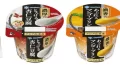
A significant trend shaping the Japanese frozen dessert landscape is the pronounced shift towards premium, small-batch products that highlight local ingredients and traditional flavors. Consumers are demonstrating a greater willingness to invest in unique creations such as sakura-infused gelato, black sesame mochi bars, and yokan-flavored ice pops, which artfully blend tradition with innovation. Japanese brands are actively leveraging regional specialties like Uji matcha, Kagoshima sweet potatoes, and Okinawan brown sugar, often releasing limited-edition items tied to local festivals and seasonal events. Matcha-flavored frozen desserts, in particular, have garnered immense popularity, with Japanese manufacturers leading the charge in developing innovative tea-based products. Retail reports indicate that these artisan offerings can generate double the foot traffic compared to conventional vanilla or chocolate products, especially in high-end department stores and boutique patisseries. This trend is expected to sustain double-digit growth within the premium segment as Japanese consumers continue to seek authentic yet novel taste experiences.
Surging Demand for Plant-Based and Functional Formulations
Parallel to the embrace of local flavors, Japan is witnessing a rapid increase in demand for plant-based and functional frozen desserts. This surge is driven by heightened health consciousness and diversifying dietary preferences, including a growing incidence of lactose intolerance affecting over 45% of the population, and the broader ‘flexitarian’ movement. Both emerging domestic startups and established brands are innovating by fortifying products with beneficial ingredients such as probiotics, collagen, plant-based protein isolates, and adaptogens like matcha and turmeric. This reflects a clear consumer demand for ‘better-for-you’ indulgences and a significant investment in research and development by manufacturers. The introduction of functional SKUs, including low-sugar, high-fiber, and gut-friendly blends, is further propelling market growth. As wellness remains a top consumer priority, this health-oriented trend is poised to drive the functional frozen dessert segment in Japan.
Market Segmentation and Comprehensive Analysis
The market analysis categorizes the Japanese frozen dessert sector by:
-
Product Type: Confectionery & Candy, Ice Cream, Frozen Yogurt, and Others.
-
Category: Conventional and Sugar-Free options.
-
Distribution Channel: Supermarkets & Hypermarkets, Convenience Stores, Cafes & Bakery Shops, Online, and Others.
-
Region: Kanto, Kansai/Kinki, Chubu, Kyushu/Okinawa, Tohoku, Chugoku, Hokkaido, and Shikoku.
This detailed segmentation provides a thorough understanding of key trends and forecasts across various segments and regions from 2026 to 2034.
Understanding Frozen Desserts
Frozen desserts encompass a range of sweetened food products that achieve their distinctive texture and flavor through freezing. This category includes popular items such as ice cream, sorbet, sherbet, and frozen yogurt. While particularly favored during warmer months, these treats are enjoyed by many throughout the year due to their refreshing coolness and smooth consistency.
Ice cream, for example, typically features milk, cream, sugar, and egg yolks as primary ingredients, characterized by a higher milk fat content. The incorporation of air during the freezing process contributes to its light and creamy texture, making it a rich and smooth indulgence with numerous variations.
Sorbet, on the other hand, is primarily composed of water and fruit juice or purée, notably containing no dairy products. This allows the natural fruit flavors to shine through, offering a fruity and refreshing experience. Sherbet is similar to sorbet but includes a small amount of dairy, giving it a slightly creamier texture.
Frozen yogurt, a dessert based on yogurt, appeals to health-conscious consumers due to its probiotic content and relatively lower calorie count. It offers a tangy, refreshing flavor profile, with extensive customization possibilities through various yogurt bases and toppings.
The manufacturing process for frozen desserts involves crucial steps, including precise ingredient mixing followed by rapid cooling. This quick cooling helps to maintain small ice crystal sizes, ensuring a smooth mouthfeel. Manufacturers also employ proprietary techniques and recipes to impart unique flavors and textures to their products. Consumers are increasingly scrutinizing ingredients and nutritional values, driving the growth of low-sugar, organic, and gluten-free options alongside traditional sweet treats. The popularity of homemade frozen desserts, utilizing home ice cream makers and simple recipes, further highlights the desire for personalized flavor and texture experiences.
Future Outlook: A Sweet Symphony of Innovation and Tradition
The Japanese frozen dessert market is a vibrant arena where culinary innovation meets deep-rooted traditions. The emphasis on unique local flavors, coupled with a strong drive towards healthier and plant-based options, positions Japan as a fascinating hub for frozen dessert evolution. This dynamic interplay of tradition and modernity will likely continue to inspire global dessert trends, offering a delightful blend of familiar comfort and adventurous new tastes. “It’s truly exciting to see how Japanese brands are taking classic flavors like matcha and re-imagining them in frozen forms,” a market observer noted, “It’s a testament to their innovative spirit and understanding of evolving consumer palates.”
For those interested in a deeper dive into this evolving market, further details can be found by contacting the market research specialists.
Market Research Center
Contact Market Research Center