
Meiji Kinenkan’s Hanagasumi Unveils Spring Kaiseki: A Symphony of Sakura-dai and Mountain Greens
Embark on a Limited-Time Culinary Journey Celebrating Japan’s Awakening Season at a Historic Tokyo Venue
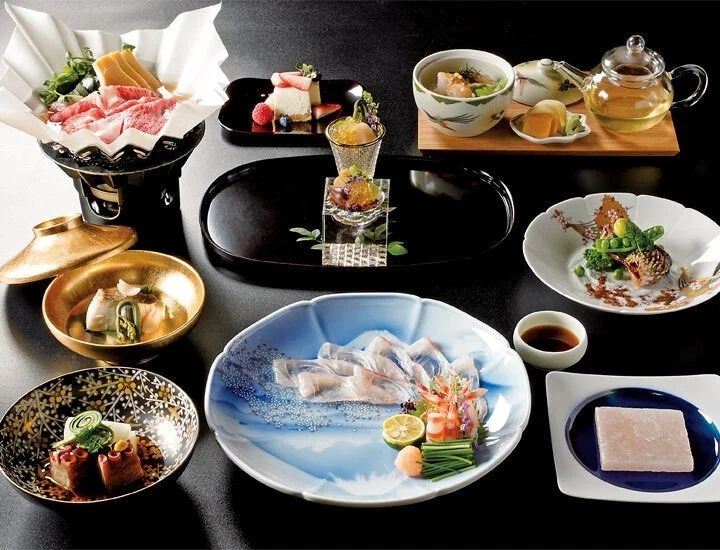
As Japan sheds its winter cloak, a delicate culinary spectacle blossoms at Meiji Kinenkan’s traditional kaiseki restaurant, Hanagasumi. From March 2 to April 30, 2026, guests are invited to savor the “Sakura-dai and Spring Mountain Vegetables Kaiseki,” a seasonal course priced at JPY 24,200 (tax and service charge included) that captures the essence of spring’s bounty from both sea and mountains.
Kaiseki, often described as a multi-course Japanese haute cuisine, is more than just a meal; it’s an art form where dishes are meticulously prepared to reflect the changing seasons, using the freshest ingredients. This particular offering spotlights Sakura-dai, or cherry sea bream, named for its vibrant pink hue and peak season coinciding with the cherry blossoms. Imagine the delicate slices of Sakura-dai sashimi, its subtle sweetness enhanced by a touch of rock salt or ponzu, or the warmth of Sakura-dai steamed with cherry blossoms, a visual and gastronomic poem of spring. The experience culminates in a comforting tai chazuke, where fragrant dashi is poured over rice and sea bream, a soothing finish to the meal.
Beyond the ocean’s gifts, the menu embraces the earthy treasures of spring mountain vegetables. From the crisp bitterness of warabi (bracken fern) to the tender shoots of udo (Japanese spikenard), each ingredient is chosen to evoke the refreshing spirit of the season. “The balance of delicate sea flavors with the robust, fresh notes of mountain greens creates an unforgettable harmony,” one might muse, “it’s like tasting spring itself.”
A Glimpse into the Spring Kaiseki Menu
The “Sakura-dai and Spring Mountain Vegetables Kaiseki” presents a thoughtful progression of dishes:
-
Sakizuke: Spring mountain vegetables, firefly squid, and scallop in Tosa vinegar dressing.
-
Wanmono: Sakura-dai steamed with cherry blossoms, daikon, bracken fern, and lily bulb petals.
-
Tsukuri: Sakura-dai sashimi, kuruma prawn, condiments, rock salt, and ponzu.
-
Yakimono: Rapeseed blossoms and spring-herald fish grilled, snap peas, broad beans, green peas, and kinome.
-
Nimono: Udo and octopus simmered with cherry blossoms, and kogomi.
-
Shiizakana: Wagyu beef, bamboo shoots, and new wakame seaweed served in a paper hot pot.
-
Shokuji: Sakura-dai tai chazuke, condiments, pickles, and dashi.
-
Mizugashi: Rare cheesecake with berries.
This limited-time menu is available from March 2 to April 30, 2026. Dining hours are 11:30 AM to 10:00 PM on weekdays (last order 8:30 PM) and 11:30 AM to 9:30 PM on weekends and holidays (last order 8:00 PM). The cost is JPY 24,200 per person, inclusive of tax and a 10% service charge. Please note that a separate room charge applies, and reservations are required three days in advance.
Hanagasumi: A Secluded Urban Oasis
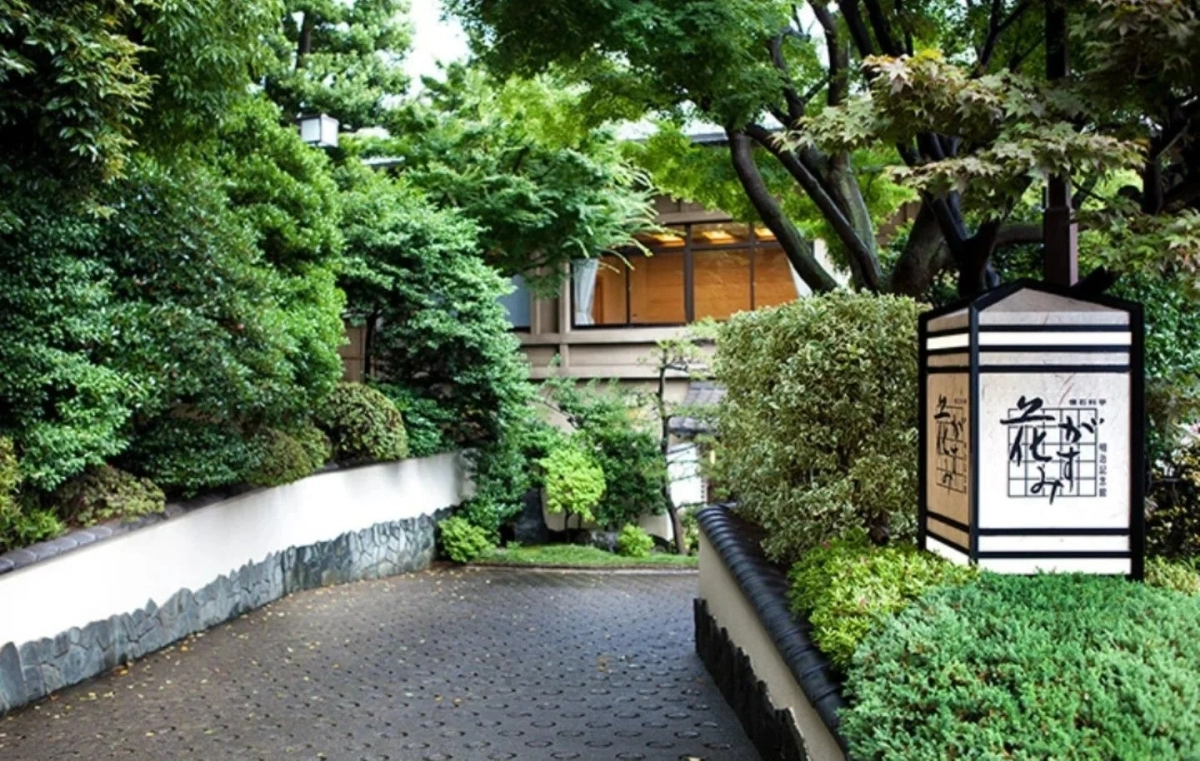
Hanagasumi, nestled within the historic Meiji Kinenkan grounds, offers a tranquil escape from the bustling city. This traditional kaiseki restaurant boasts fully private dining rooms, providing an intimate setting for guests. The approach to the restaurant, a charming stone-paved path amidst lush greenery, immediately transports diners to a world of serenity.
Meiji Kinenkan itself carries a rich history, with its Main Building designated as a Tangible Cultural Property by the Tokyo Metropolitan Government. Originally built in 1881 as the State Banquet Hall of the Akasaka Temporary Imperial Palace, it later served as the venue for the deliberation of the draft of the Constitution of the Empire of Japan. Today, it continues to be a cherished location for various significant events, celebrations, and dining experiences.
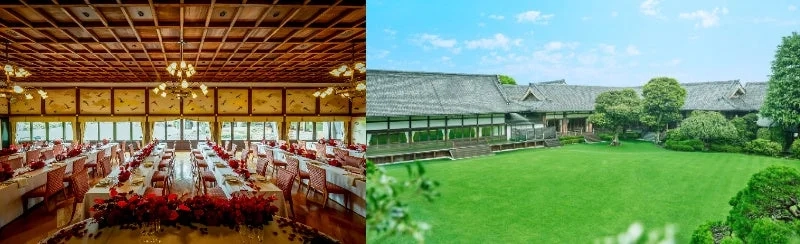
For those seeking to immerse themselves in authentic Japanese culinary traditions within a setting steeped in history and natural beauty, Hanagasumi offers an unparalleled opportunity. It’s an invitation to experience not just a meal, but a carefully curated moment of tranquility and taste that embodies the very spirit of Japanese hospitality.
Reservations can be made online:
For more information about Hanagasumi and Meiji Kinenkan:
Experiencing such meticulously crafted seasonal menus like Hanagasumi’s “Sakura-dai and Spring Mountain Vegetables Kaiseki” offers a window into the profound respect for nature and tradition that defines Japanese culture. For global enthusiasts of “kawaii” and all things Japanese, these culinary journeys are an accessible, delicious way to deepen their appreciation, showcasing that beauty and charm extend far beyond characters and fashion into the very art of dining. It’s a reminder that the essence of kawaii often lies in the thoughtful details and heartwarming experiences that make up daily life in Japan.