
Cultivating a Greener Future, One Pot at a Time
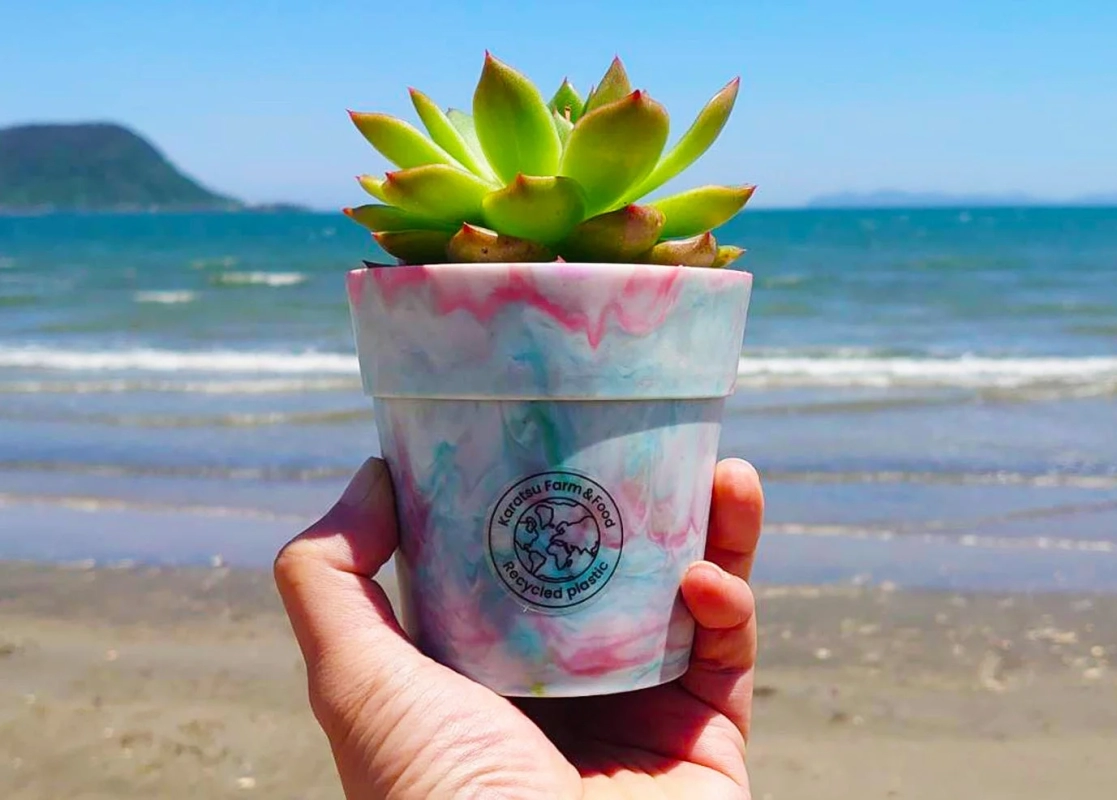
Imagine a flowerpot that holds not just a plant, but a story of transformation, a ripple effect connecting your daily act of gardening to the health of the ocean and a vibrant community. In Japan’s scenic Karatsu City, Saga Prefecture, this vision has blossomed into reality with the introduction of “Precious Plastic Flowerpots” by the NPO Karatsu Farm&Food.
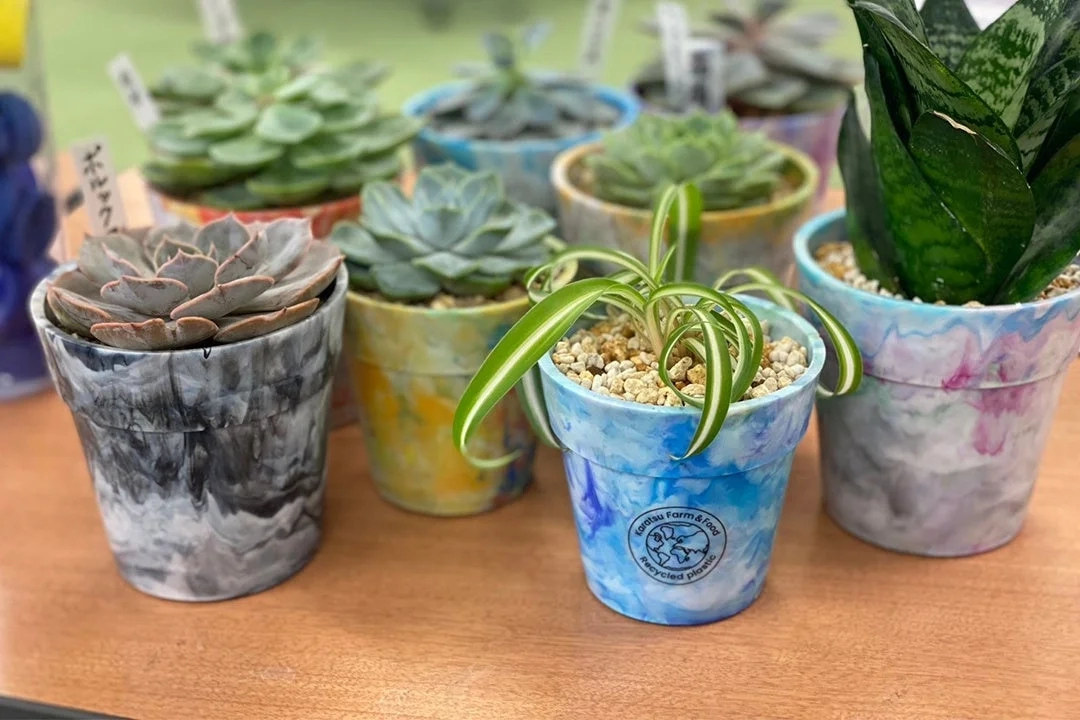
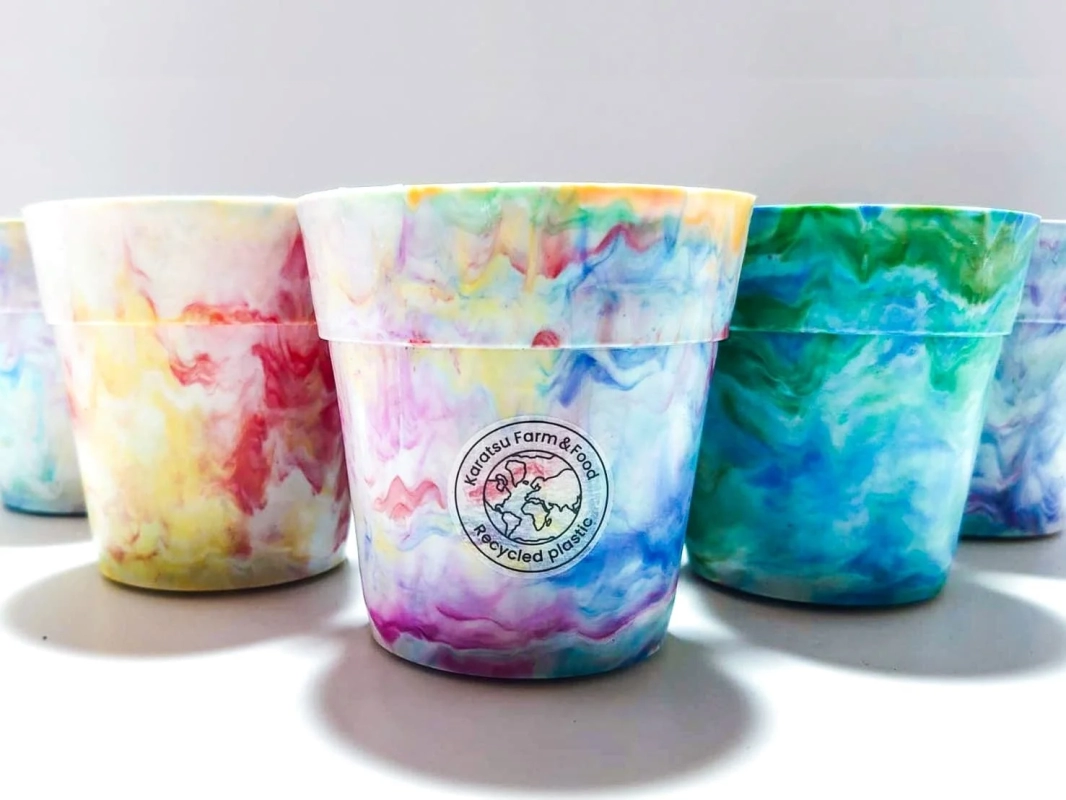
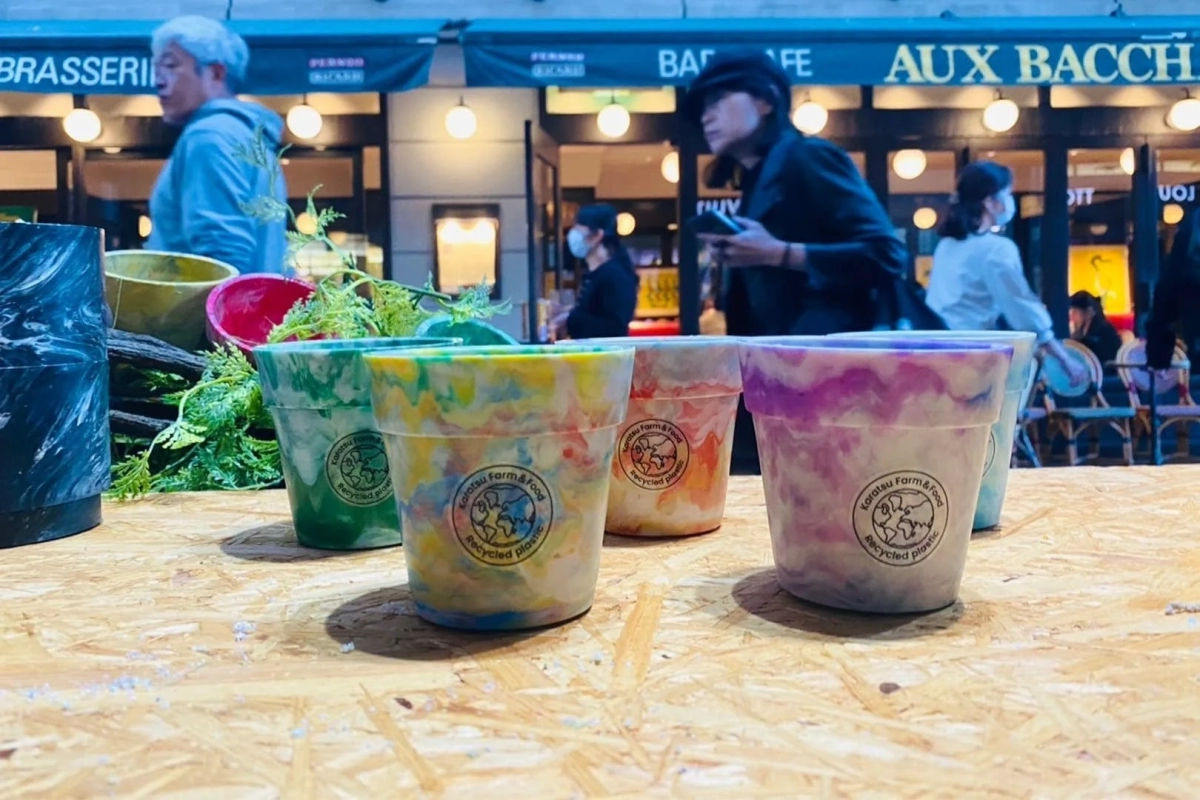
These captivating planters, available in small and large sizes, are more than just containers for your greenery; they are a testament to resourcefulness. Crafted primarily from recycled PET bottle caps collected within the Karatsu region, some even incorporate marine plastics that have washed ashore, giving new life to what was once considered waste. Each pot is a singular work of art, hand-formed with unique colors and patterns, ensuring no two are exactly alike. They are offered as special return gifts for those who contribute to the city’s “Furusato Nozei” (hometown tax donation) system, allowing donors to support environmental preservation and educational activities while receiving a beautiful, meaningful item.

The Everyday Object as an Environmental Messenger
The philosophy behind these flowerpots is simple yet profound: to reframe discarded plastic not as ‘trash’ but as a ‘resource.’ The journey from a collection of bottle caps to a vibrant planter involves meticulous cleaning, sorting, and shredding, transforming them into a再生素材 (recycled material). This material is then expertly injection-molded, giving birth to the distinct forms. The inherent variations in material composition and melting create natural hues and swirling patterns, ensuring each pot possesses its own unique character.
By integrating these efforts into an everyday item like a flowerpot, the project subtly communicates the importance of environmental action and resource circulation. It transforms environmental consciousness from a “special activity” into a “choice within daily life,” making sustainable living accessible and aesthetically pleasing.
Nurturing Plants, Nurturing the Planet
Whether for a delicate bloom or a striking green plant, an ordinary pot simply won’t do for an extraordinary plant. These one-of-a-kind pots complement the unique beauty of any flora. The act of growing plants naturally contributes to the absorption of CO₂, participating in a gentle cycle with nature. The “Precious Plastic Flowerpots” are designed to be effortlessly incorporated into daily life, encouraging environmental care without feeling like an overt effort.
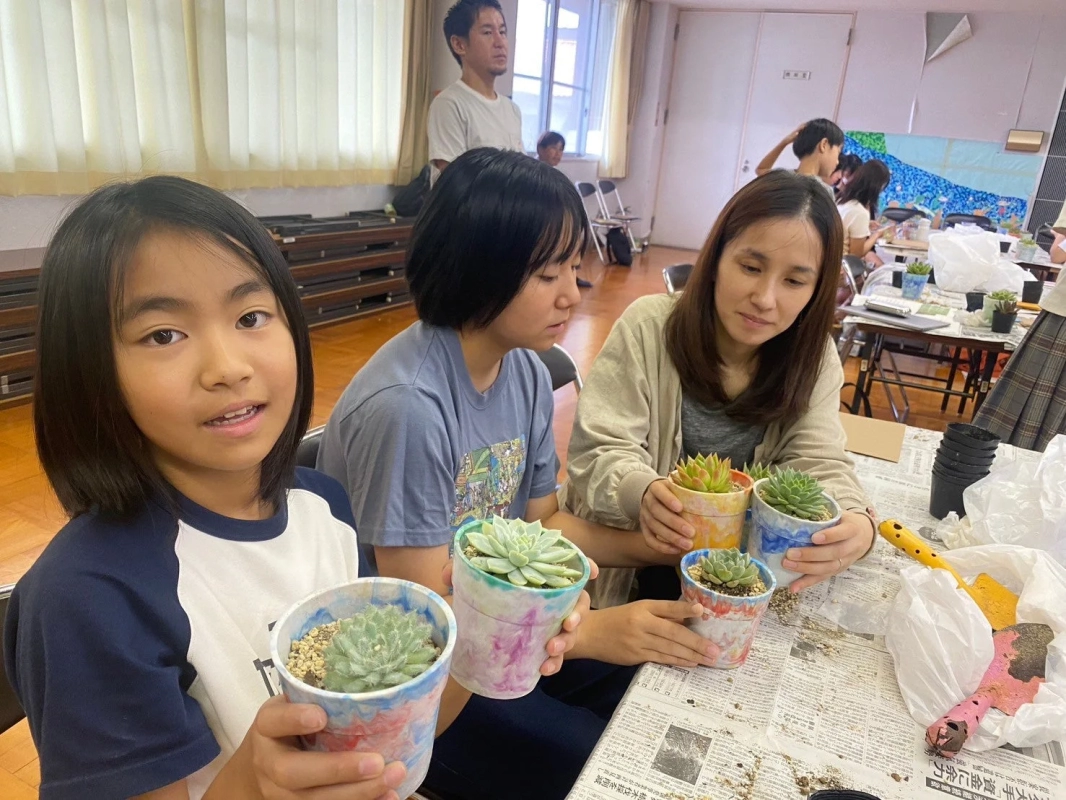
“It’s amazing how something discarded can become something so beautiful and useful,” one participant in a workshop remarked, capturing the essence of the project’s appeal. “It makes you think differently about what we throw away.”
The Roots of the Initiative
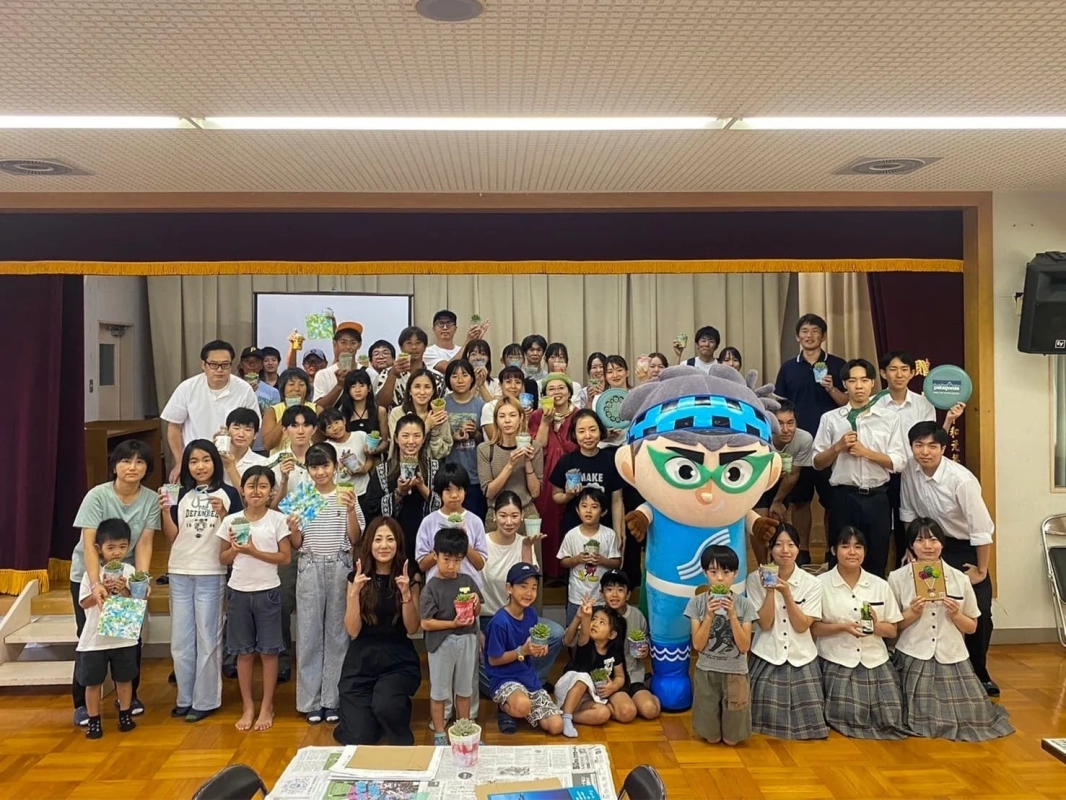
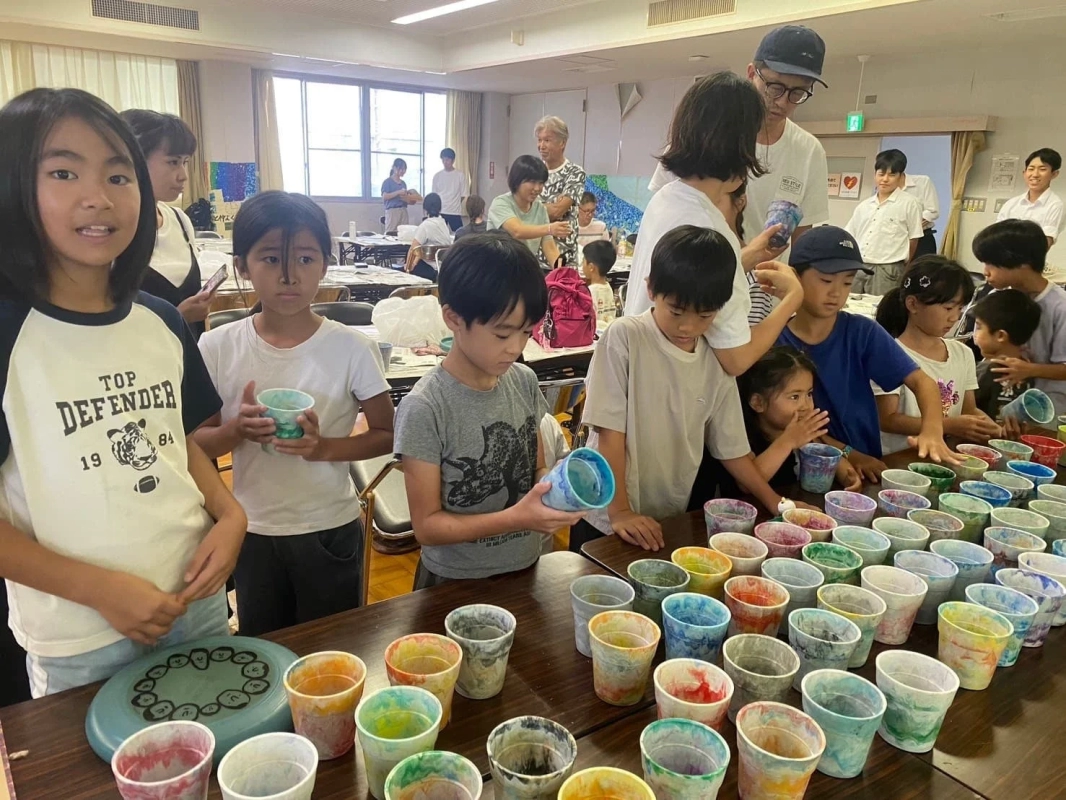
This project emerged from hands-on workshops where communities and schools in the Karatsu area collaborated to experience upcycling plastic waste. Through a complete process of collection, sorting, recycling, and molding, participants learn about resource circulation not merely as “knowledge,” but as a tangible “experience.” This initiative underpins several crucial activities:
-
Reducing plastic waste and promoting resource circulation.
-
Providing environmental education and experiential learning in collaboration with schools.
-
Supporting the preservation and regeneration activities of Nature Coexistence Sites (OECM).
-
Fostering localized, circular manufacturing.
Supporting Local Impact Through Furusato Nozei
The “Precious Plastic Flowerpots” are offered as a return gift for those who designate NPO Karatsu Farm&Food as the recipient of their donation through the Furusato Nozei system. This unique Japanese system allows taxpayers to make donations to local governments of their choice, receiving a tax deduction and often a special gift in return. By donating, individuals directly support environmental preservation, educational programs, and the establishment of local circular economies. It’s a small, yet impactful, choice to participate in a larger cycle of sustainability from the comfort of one’s own home.
Beyond Furusato Nozei: A Collaborative Spirit
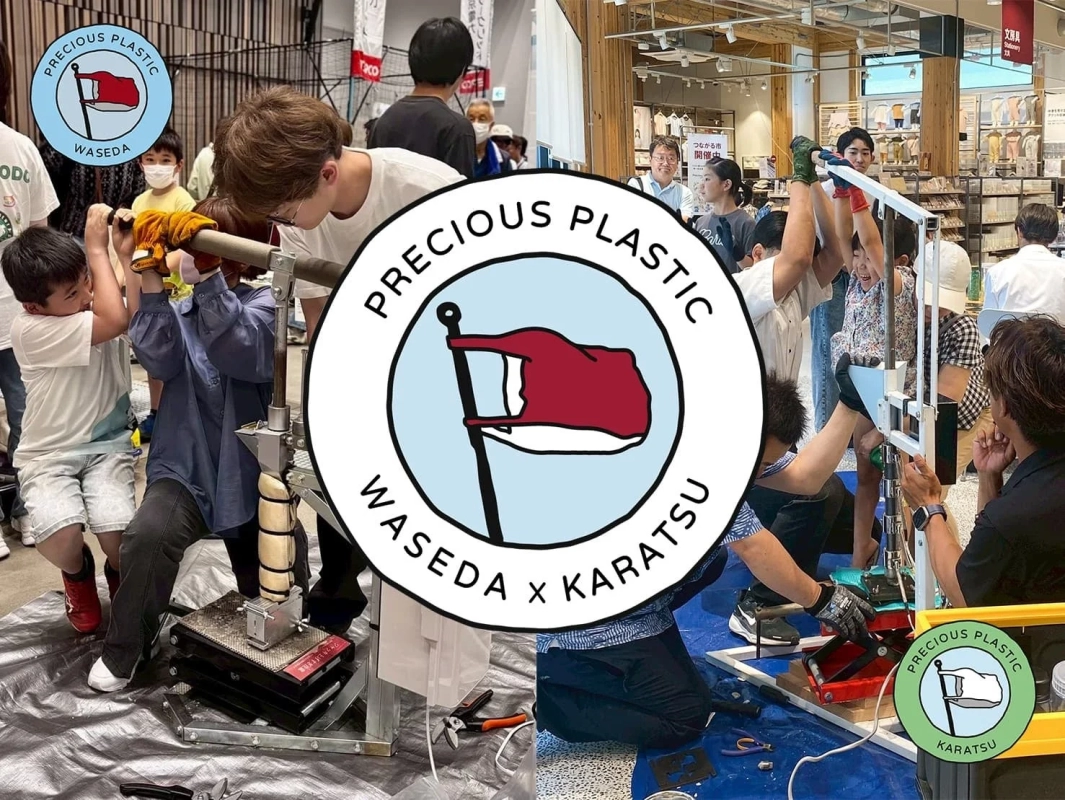
Beyond their role as Furusato Nozei return gifts, these flowerpots are also part of a wider collaboration with Waseda University’s student project, “Precious Plastic Waseda.” Through an online shop, this partnership amplifies the message of circulating waste plastic as a resource and highlights the social connections fostered through creative manufacturing. This collaboration extends the project’s reach, inspiring a new generation to engage with environmental challenges.
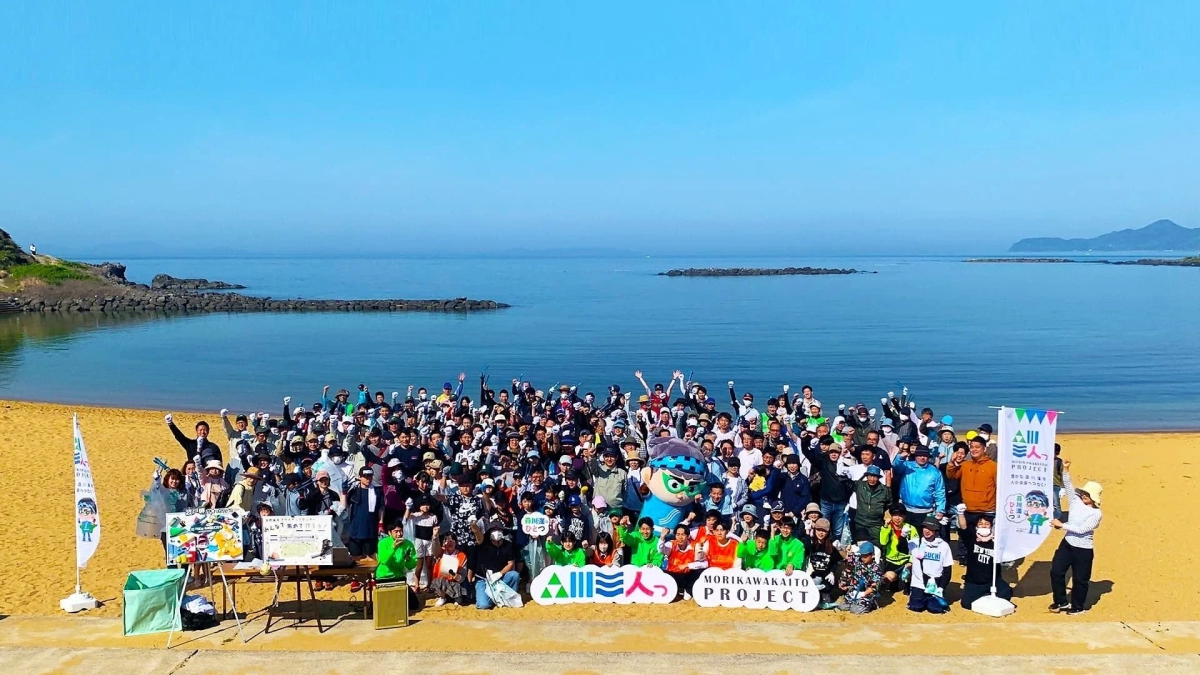
About NPO Karatsu Farm&Food
Based in Karatsu City, Saga Prefecture, NPO Karatsu Farm&Food is dedicated to environmental preservation, education, and resource circulation across the region’s satoumi (coastal areas), satoyama (hinterlands), and urban environments. Through integrated activities of collection, upcycling, and learning, the NPO actively promotes sustainable community development.
For more information on the project and how to get involved, please visit:
The Future of Kawaii and Sustainable Living
This initiative from Karatsu Farm&Food beautifully intertwines the practical with the poignant, creating objects that are both functional and deeply meaningful. It demonstrates how the concept of ‘Kawaii’—often associated with cuteness—can also embrace ingenuity and sustainability, making eco-conscious choices not just responsible, but also charming and desirable. As global awareness of environmental issues grows, projects like the “Precious Plastic Flowerpots” from Japan offer a playful yet powerful blueprint for how communities worldwide can transform waste into beauty, fostering a culture where every purchase, every plant, contributes to a healthier planet. It’s a reminder that even the smallest acts, like planting a flower, can initiate a grander cycle of renewal and hope for the future.