

- A Culinary Slopeside Debut: Shinjuku’s Itadaki Mala Tang Heats Up Jiigatake Ski Resort
- Jiigatake Ski Resort: A Family-Friendly Winter Wonderland
- The “Itadaki Mala Tang” Experience on the Slopes
- “Ouchi de Mala Tang”: Bringing “Ishoku Dogen” Home
- Sustainability and Well-being: A Circular Food Culture
- “Sa-meshi” and Marketing Support for Partner Facilities
- Nexter Bran-do Holdings: A Vision for the Future
A Culinary Slopeside Debut: Shinjuku’s Itadaki Mala Tang Heats Up Jiigatake Ski Resort
Imagine carving down the slopes, feeling the crisp winter air, and then stepping into a cozy lodge for a steaming bowl of Mala Tang. It’s not just a meal; it’s a revitalizing embrace for your body and soul! This winter, skiers and snowboarders at Jiigatake Ski Resort in Omachi City, Nagano Prefecture, can look forward to a unique gastronomic experience as “Itadaki Mala Tang,” a renowned Japanese-style Mala Tang from Shinjuku, begins its seasonal offering.
Running from December 27, 2025, until March 15, 2026, this partnership marks a significant expansion for Itadaki Mala Tang’s B2B operations. The initiative aims to not only introduce a delicious, authentic dish to a new audience but also to contribute to broader goals of health promotion and food loss reduction across various facilities nationwide.

Jiigatake Ski Resort: A Family-Friendly Winter Wonderland
Jiigatake Ski Resort, nestled in the southern reaches of Nagano’s Hakuba area, is celebrated for its gentle, wide slopes, making it a favorite among beginners and families. Beyond skiing and snowboarding, its newly developed kids’ park offers a safe and fun environment for sledding and other snow activities. The resort is equipped with rental facilities and restaurants, ensuring a comfortable and enjoyable experience from the slopes to dining and relaxation.
Access to Jiigatake Ski Resort is convenient via shuttle bus or car from JR Shinano-Omachi Station, with ample parking available. While winter conditions require appropriate preparation, its relatively accessible location remains a key draw.

The “Itadaki Mala Tang” Experience on the Slopes
At Jiigatake Ski Resort, “Itadaki Mala Tang” is offered at 1,300 yen (tax included), available from 10:00 AM to 3:00 PM (last order 2:30 PM). This authentic spice-infused Mala Tang, crafted from carefully selected ingredients and over 30 types of spices, is known for its potential detoxifying effects, including aiding digestion and reducing stress. Its warmth and rich flavor make it an ideal meal after a day of outdoor winter activities.
This collaboration introduces a beloved urban delicacy to a winter resort setting, creating a unique dining option for ski and snowboard enthusiasts. It aims to broaden the appeal of “Itadaki Mala Tang” while contributing to the sustainable development of the industry and enhancing overall quality of life (QOL) through its health-conscious, medicinally-inspired approach.

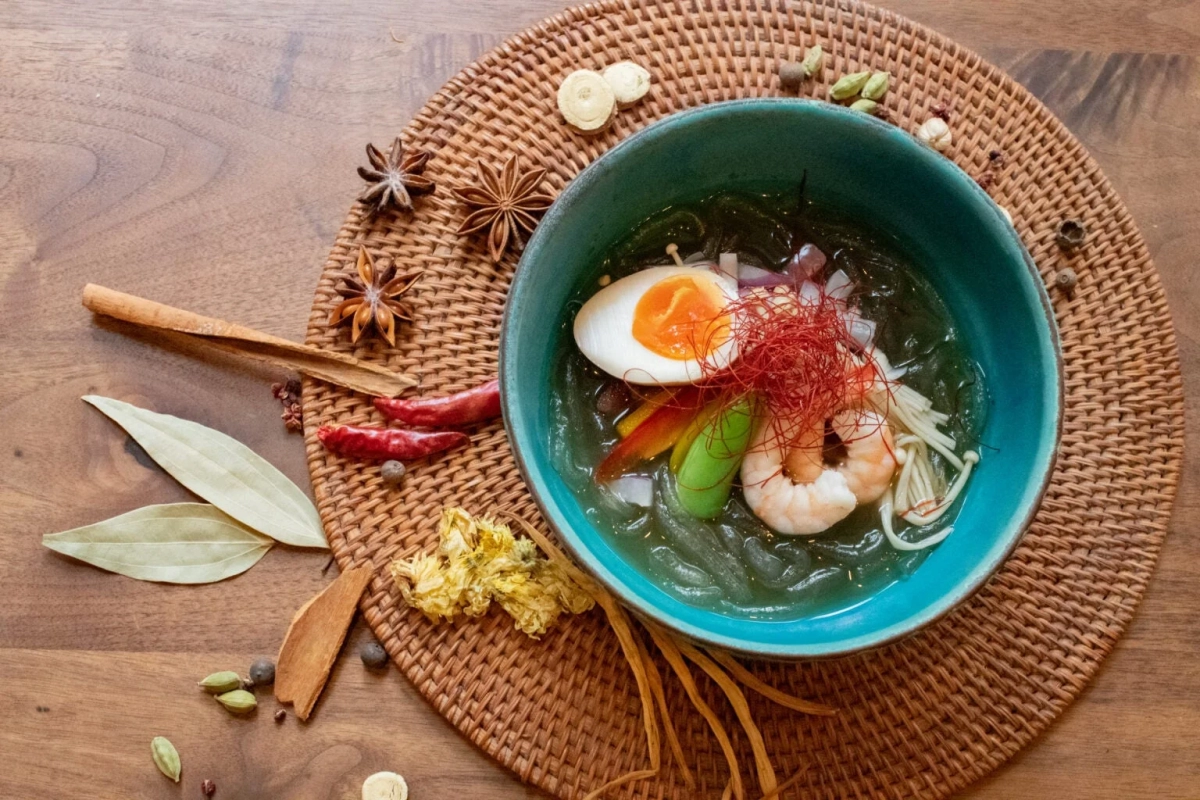
“Ouchi de Mala Tang”: Bringing “Ishoku Dogen” Home
“Ouchi de Mala Tang” (https://maratan.tokyo/) is the D2C brand of “Itadaki Mala Tang,” allowing customers to easily enjoy the flavors of the main store in Shinjuku-Shin-Okubo at home. Mala Tang, a Chinese soup dish rich in medicinal spices, embodies the concept of “Ishoku Dogen” (医食同源), meaning “medicine and food are of the same origin.” This philosophy posits that daily diet is fundamental to maintaining health and preventing illness, much like medicine. The spices in Mala Tang are believed to warm the body and aid digestion, serving as a balanced meal for well-being.
The dish typically features gluten-free vermicelli made from starch, making it suitable for health-conscious individuals and those sensitive to gluten. “Ouchi de Mala Tang” is designed for easy, quick preparation, allowing users to enhance its nutritional value by adding leftover ingredients from their refrigerators. This makes it a popular choice for healthy eating and diet management.
Ingredients are carefully selected, with the soup base featuring domestic free-range chicken, yuzu from Tokushima Prefecture, flying fish (yaki-ago) from Kagoshima Prefecture, and Hatcho Miso from Aichi Prefecture. The accompanying vermicelli is an original, unbleached noodle produced in Nara Prefecture by the long-established “Ebisu Harusame,” preserving traditional methods of handmade and sun-dried preparation.
For more details, please visit their official website and social media channels:
-
Official HP: https://maratan.tokyo/
-
Official Instagram: https://www.instagram.com/maratan_tokyo/
-
Official X: https://x.com/maratan_tokyo
Sustainability and Well-being: A Circular Food Culture
Itadaki Mala Tang is committed to evolving beyond simple food loss reduction (SDGs 12.3) by fostering a “circular food culture” that circulates energy from food, regions, and people to create new value. The brand operates through three main channels:
-
“Ouchi” (Home): Providing individual consumers with easy-to-prepare Mala Tang, encouraging the use of leftover vegetables and meat in their special medicinal soup.
-
“Wholesale”: Offering products to facilities like saunas and restaurants, enabling them to transform surplus ingredients into nourishing dishes.
-
“Stores”: Expanding local Mala Tang offerings nationwide, promoting local production for local consumption and rediscovering regional culinary charms.
This approach transforms “waste” into “value,” embodying a regenerative philosophy that seeks to heal the earth, not just protect it. By integrating medicinal wisdom, local traditions, and human ingenuity, Itadaki Mala Tang aims to restore harmony between nature, body, and culture, elevating the act of eating into a state of well-being.

In line with these efforts, Itadaki Mala Tang has joined the Shinjuku Ward Eco-Business Association, collaborating with the community on food loss reduction, environmental preservation, and promoting sustainable food culture. This association facilitates information exchange and collective action among businesses and the ward to contribute to environmental conservation.
“Sa-meshi” and Marketing Support for Partner Facilities
Itadaki Mala Tang is gaining attention in the sauna and hot spring industry as “Sa-meshi” (sauna meal). By offering its medicinal Mala Tang before or after sauna sessions, the brand proposes a new health-conscious food culture. The combination of herb-infused Mala Tang and sauna therapy aligns with Eastern medicine principles, aiming to enhance health and QOL. “Sa-meshi Mala Tang” is specifically designed to replenish minerals lost through sweating, utilizing ingredients like aosa (seaweed) rich in magnesium and potassium, and vermicelli made from sweet potato and potato starch for both taste and health benefits.

Facilities that offer “Itadaki Mala Tang” also benefit from strong marketing support. The “Ouchi de Mala Tang | Itadaki Mala Tang Ambassador | Sa-meshi Ambassador™” program includes over 200 ambassadors with a cumulative follower count exceeding 20 million. These ambassadors can be engaged for PR initiatives, providing partner facilities with valuable exposure.
Nexter Bran-do Holdings: A Vision for the Future
Itadaki Mala Tang and Ouchi de Mala Tang are part of Nexter Bran-do Holdings, a pure holding company with diverse businesses centered around social media marketing. Their ventures include system consulting, agricultural innovation support, creative production, web/app development, UGC, co-creation IP, vertical short drama production, and D2C/P2C brand operations. With a team of 42 staff and a capital of over 124 million yen, Nexter Bran-do Holdings is committed to creating a society where “eating becomes an act of healing for the earth, the community, and people.”
-
Official HP: https://nexter.tokyo/
-
Official X: https://twitter.com/nexter_tokyo
-
Official Instagram: https://www.instagram.com/nexter_tokyo/
By bringing a unique culinary experience to unexpected venues like ski resorts and promoting a ‘circular food culture,’ Itadaki Mala Tang is not only expanding its brand but also fostering a future where delicious food actively contributes to individual well-being and global sustainability. This blend of traditional wisdom and modern values could very well set a new standard for how food businesses operate in Japan and beyond.