
The Enduring Allure of Fukubukuro for Japan’s Youth
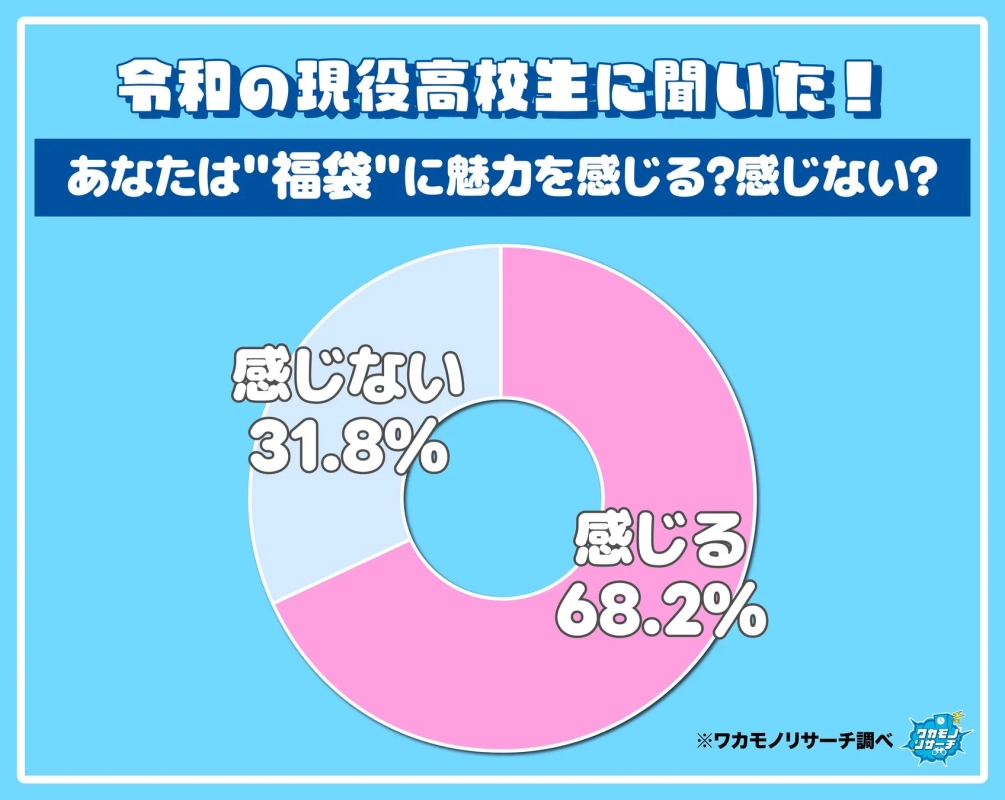
In an era dominated by online shopping, the traditional Japanese New Year’s ‘fukubukuro’—or lucky bag—continues to cast a powerful spell, especially on the younger generation. A recent survey conducted by Wakamono Research reveals a surprising truth: a significant 68.2% of current high school students in Japan find these mystery bags appealing.
This finding challenges the notion that digital natives might shy away from the spontaneous, in-store experience of lucky bag hunting. Instead, the excitement of discovery and the promise of a good deal resonate deeply with today’s teens, maintaining a vibrant tradition in a rapidly changing retail landscape.

The Thrill of Value and Surprise
The primary drivers behind this enduring appeal are clear: the perception of ‘value’ and ‘affordability.’ Many students reported feeling that lucky bags offer a chance to acquire items at a better price than usual. Comments from the survey highlighted this sentiment, with one student exclaiming, “It’s just so much value!” This speaks to a universal desire for a good bargain, amplified by the unique structure of the fukubukuro, which often contains goods worth far more than the purchase price.
Beyond the monetary savings, the element of surprise plays a crucial role. The anticipation of what’s inside—the “wakuwaku” (excitement) and “dokidoki” (heart-pounding thrill) of opening a bag filled with unknown treasures—is a powerful draw. It’s not just about the items themselves, but the entire emotional journey from purchase to unboxing. For many, this ritual is deeply intertwined with the festive atmosphere of the New Year, evoking a sense of joy and tradition.
The Flip Side: Skepticism and Practicality
However, not all high schoolers are enchanted by the lucky bag phenomenon. The 31.8% who reported no appeal offered equally candid reasons. A common concern was the prevalence of “unnecessary items” or the perception that bags are filled with “leftover stock.” This group tends to be more pragmatic, preferring to purchase exactly what they need rather than risking disappointment with unwanted goods.
One student’s comment, “I’d rather buy what I want after careful consideration than spend money on something I don’t know what’s inside,” encapsulates this practical mindset. For these students, the potential for regret outweighs the thrill of the gamble, highlighting a more discerning approach to spending.
Delving Deeper into the Trend
This fascinating insight into the modern Japanese high schooler’s relationship with fukubukuro offers a glimpse into evolving consumer behaviors while affirming the strength of cultural traditions. The detailed findings of this survey are available for further exploration, providing a deeper understanding of these trends.
To learn more about this survey and other youth marketing insights, please visit:
The Future of Fukubukuro: A Blend of Tradition and Modernity
The enduring popularity of fukubukuro among Japan’s youth suggests that while purchasing habits may shift, the human desire for value, surprise, and a touch of seasonal magic remains constant. As the tradition continues to evolve, perhaps we will see even more innovative approaches that blend the thrill of the physical lucky bag with the convenience and personalization of the digital age, ensuring its place in the hearts of future generations. This blend of traditional charm and modern appeal will likely continue to define how kawaii culture, with its emphasis on delight and discovery, manifests in everyday life.