

Fukudaki’s Bold Transformation: Reimagining Traditional Kimono Fabric for the Modern World
For nearly a century, Kyoto-based Fukudaki has mastered the art of traditional Japanese dyeing and weaving. Now, this venerable artisan company is embarking on an exciting journey, redefining “tanmono” – the rolls of fabric traditionally used for kimonos – as versatile textiles for contemporary art, interior design, and fashion.
Fukudaki, established in 1927, has long captured the ephemeral beauty of Japan’s four seasons through intricate embroidery, dyeing, and foil processing. Recognizing a shift in how modern society engages with traditional Japanese attire, the company is passionately working to ensure its rich cultural heritage and exceptional craftsmanship continue to enrich lives from the present into the future. By envisioning tanmono not just as kimono material, but as a dynamic textile, Fukudaki aims to create new value that resonates globally.

Global Collaborations and Artistic Expressions
Japan’s distinct four seasons have historically inspired kimono patterns, weaves, and dyes, reflecting nature’s fleeting beauty. While traditional Japanese attire is now often reserved for special occasions, Fukudaki believes that the essence of these beautiful fabrics can still bring joy and enrichment to daily life. The company is actively developing various initiatives and products that re-contextualize tanmono as a modern textile.
DIOR Collaboration: A Fusion of Heritage and High Fashion
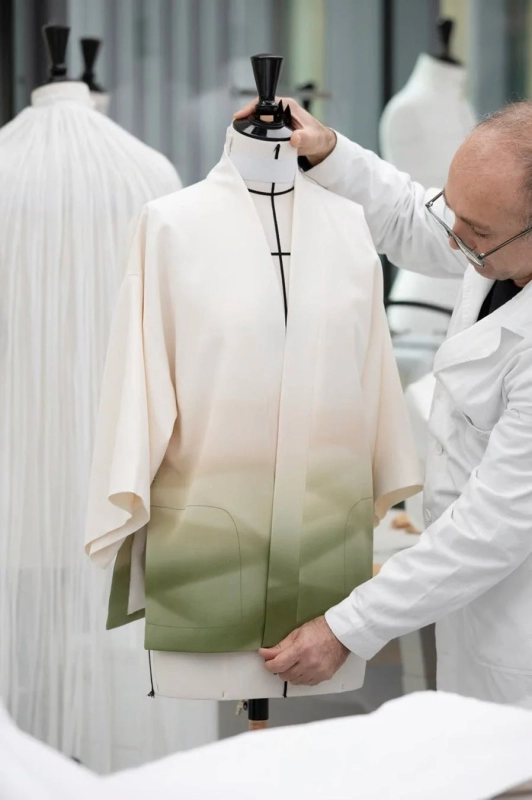
In a testament to its exceptional artistry, Fukudaki collaborated with the esteemed global fashion brand DIOR for its Spring 2025 Fall Collection. Unveiled in the breathtaking gardens of Kyoto’s Toji Temple, a UNESCO World Heritage site, the collection featured collaborations with various Japanese traditional artisans and artists. Fukudaki’s signature “somebokashi” (dyeing gradation) technique, achieved through a unique blend of dyes and precise moisture control on silk fabric, was lauded as an “excellent workshop that precisely expresses the tradition of kimono through color.” This partnership showcased the innovative potential of tanmono as a high-fashion textile.

Silk Art Panels: Transforming Spaces with Traditional Beauty
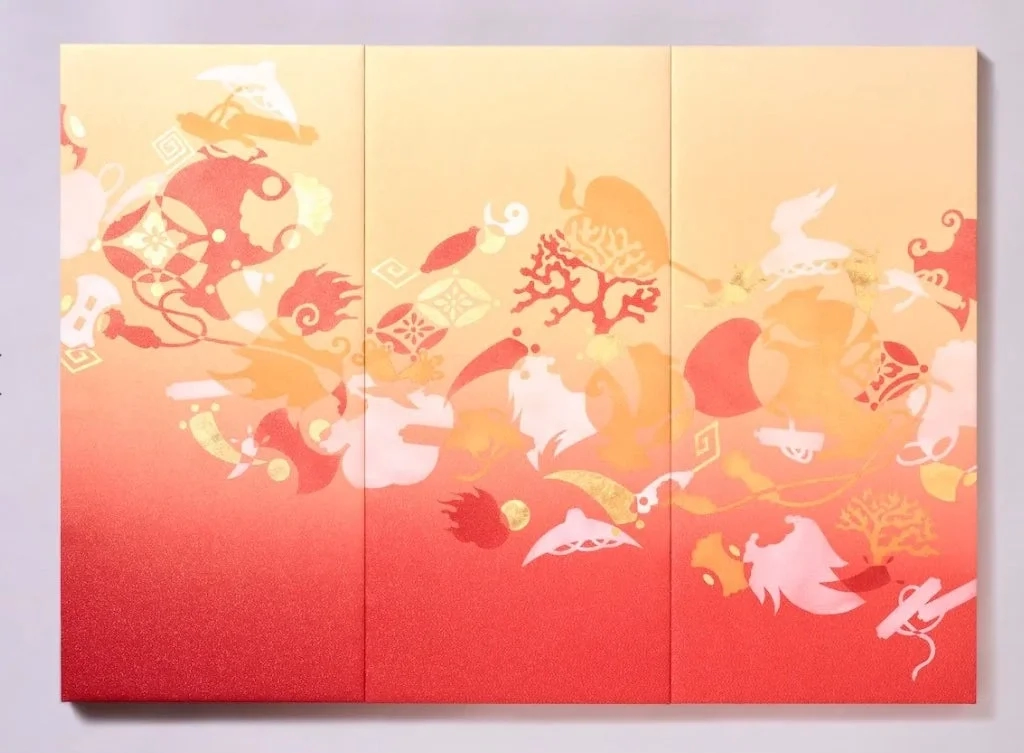
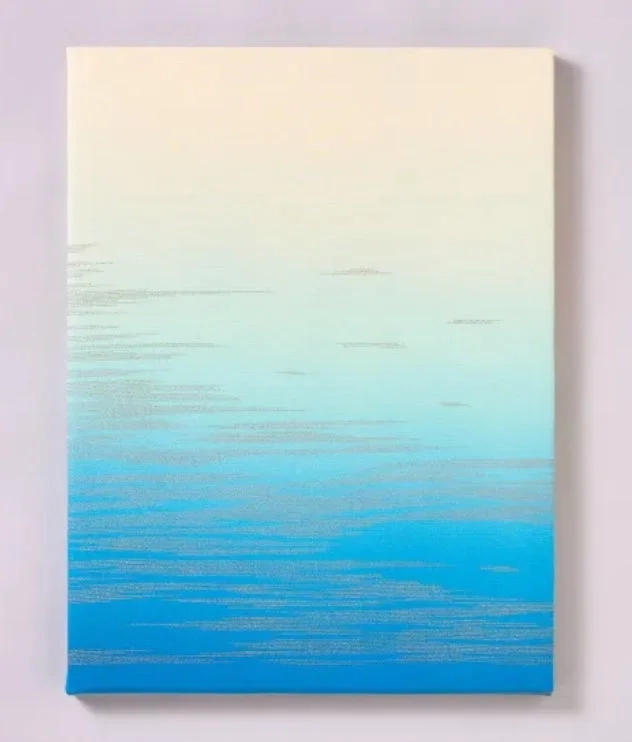
Fukudaki has also embarked on creating “Silk Art Panels,” a novel expression of traditional techniques designed to adorn modern spaces with the beauty of Japan’s seasons. These panels aim to connect the company’s long-cherished traditions and skills to the future in a new form, offering the world of Japanese aesthetics to a broader audience beyond kimono wearers.
“Irosabi” Exhibition: An Installation of Enduring Beauty
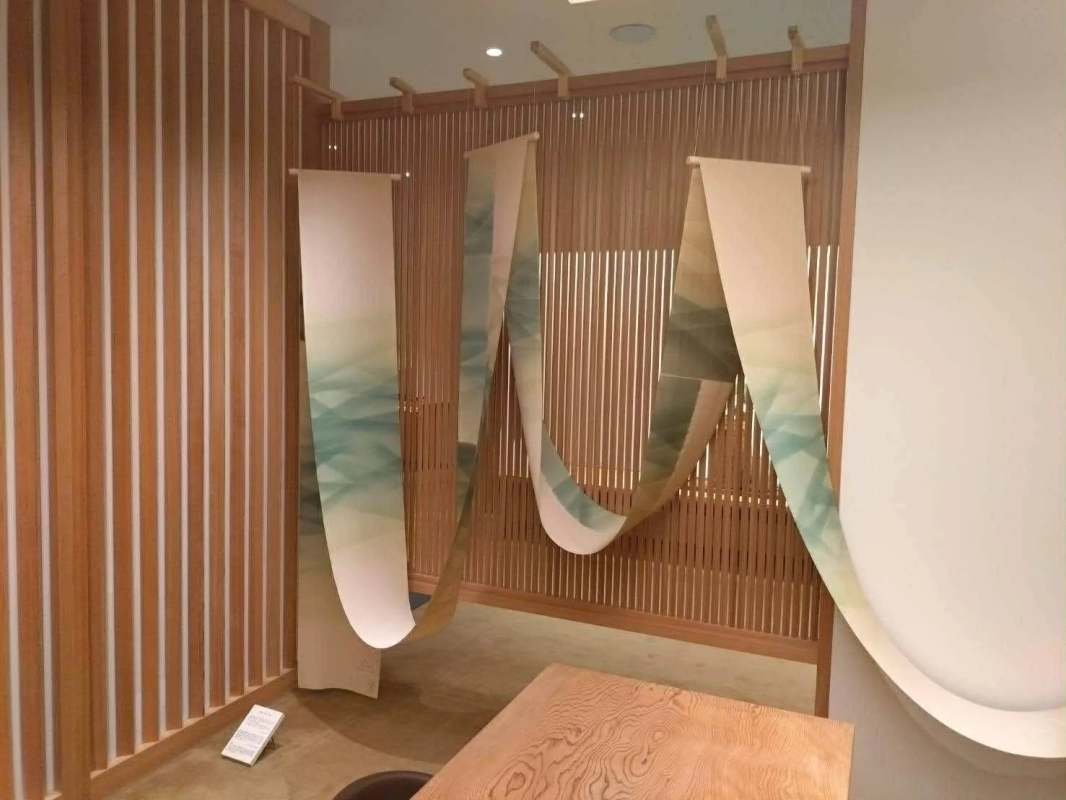
Fukudaki’s “hiki-zome” (hand-dyeing) tanmono was featured as an installation in the “Irosabi” (Color Wabi-Sabi) exhibition, curated by model Hikari Mori’s project “tefutefu” at Ginza Wako from August 1st to 20th, 2025. “tefutefu” is a project dedicated to re-evaluating and disseminating Japanese culture and aesthetics globally.
The exhibition, which centered on the theme “Irosabi” from a previous Los Angeles show, thoughtfully explored the passage of time and the rhythm found in harmony with nature. Fukudaki’s hiki-zome, with its world of seasonal beauty, proudly contributed to conveying the “Irosabi” aesthetic. This showcased the potential of tanmono as art and installation, moving beyond its traditional role.
Hikari Mori shared her thoughts on Fukudaki’s work:
“Fukudaki’s belief in beauty and unwavering commitment to craftsmanship quietly conveyed itself to my body the moment I put on their creations. The sensibility of their handiwork, carefully handling threads, gold leaf, and brushes, enriches our hearts when we incorporate it into our lives. It is at such moments that our hopes for the future shine brightly. I deeply believe in Japanese aesthetics and the high potential of handcrafts. Visiting Fukudaki’s workshop and meeting the artisans reaffirmed to me that sharing this pride in beauty with the world is a vital role Japan should play.”

Hikari Mori, born in 1992, is a Tokyo native known for her work as a brand ambassador for Shiseido and Bvlgari, attendance at the MET GALA, and appearances in international magazines and fashion shows. She is also the creative director of “tefutefu, Inc.,” a project that reinterprets Japanese traditional culture and aesthetics for a global audience, and an angel for Plan International Japan’s “Because I am a Girl” campaign.

tefutefu
Hikari Mori’s project reinterprets Japanese traditional culture, crafts, and the aesthetics of living from a contemporary perspective, sharing them both domestically and internationally. The name “tefutefu,” an old Japanese word for butterfly, symbolizes a light and graceful approach to conveying Japanese aesthetics across time and borders.
-
Instagram: https://www.instagram.com/tefutefulab/
Lifestyle and Fashion Product Development
Fukudaki recognizes that while modern life values comfort and speed, the human desire to feel connected to the seasons remains. The company aims to deliver beautiful lifestyle items that incorporate the essence of the seasons and the skill of artisans into daily routines. Imagining kimono fabrics as versatile textiles, Fukudaki is developing products like sofa cushions, stoles, scarves, and clothing. These items aim to bring the richness of traditional craftsmanship into contemporary living.

Fukudaki’s Vision: Enriching Modern Life with Timeless Beauty
Japan’s long history is deeply intertwined with its four distinct seasons, whose beauty has permeated daily life through art, cuisine, and attire. This connection fostered a sense of unhurried richness. While modern society has embraced convenience and speed, Fukudaki believes that the profound beauty of nature, captured through precise traditional crafts, offers a unique strength. The company aims to bring this strength into modern homes, allowing individuals to pause, reflect, and find richness in moments of everyday life through their seasonal textiles.
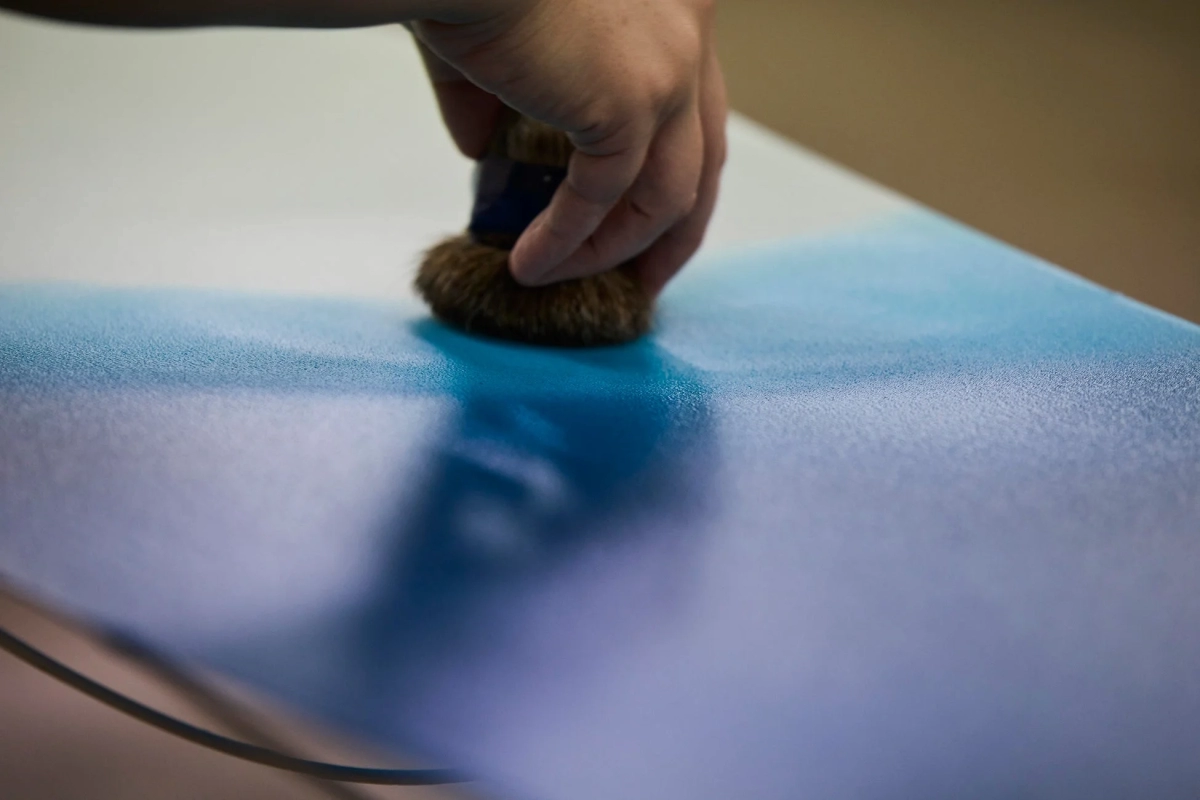

About Fukudaki
Since its founding in 1927, Fukudaki has been creating and producing artistic kimonos and dyed and woven craft items using embroidery, dyeing, and foil processing, all while preserving Japanese culture and traditions.

Beyond merely preserving and nurturing tradition and technique, Fukudaki embraces innovation, aiming to develop original products that suit new eras. The company is dedicated to connecting Japanese culture and identity to the future through reliable skills and heartfelt craftsmanship.
Sensibility and Technique Expressing Japanese Beauty
Fukudaki’s techniques capture the breathtaking beauty of fleeting natural moments with delicate yet impactful embroidery, instantly captivating viewers.
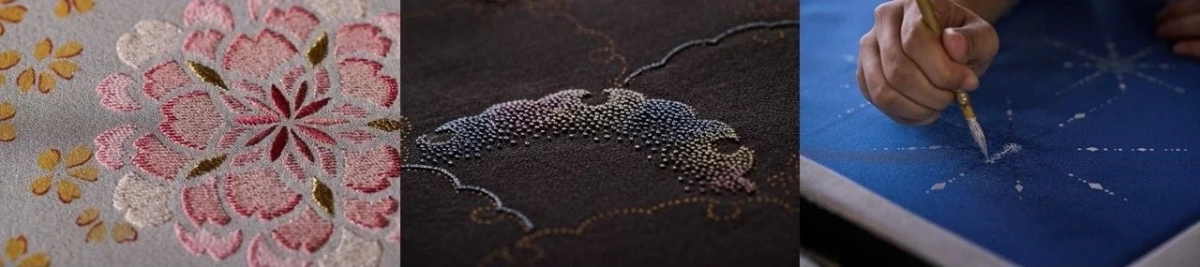
Diverse Pattern Expressions
Natural beauty and vitality are translated into patterns composed of points, lines, surfaces, and three-dimensional forms. Utilizing ten basic techniques, with hundreds of variations, Fukudaki creates unique patterns that possess both profound depth and delicate beauty.
Elegant Patterns with Foil and Gold Pigment
Gold and silver foils and gold pigment have long been used to express luxury and formality. When combined with delicate embroidery, the luster of the foils and the intricate threadwork merge, creating elegant yet opulent patterns.
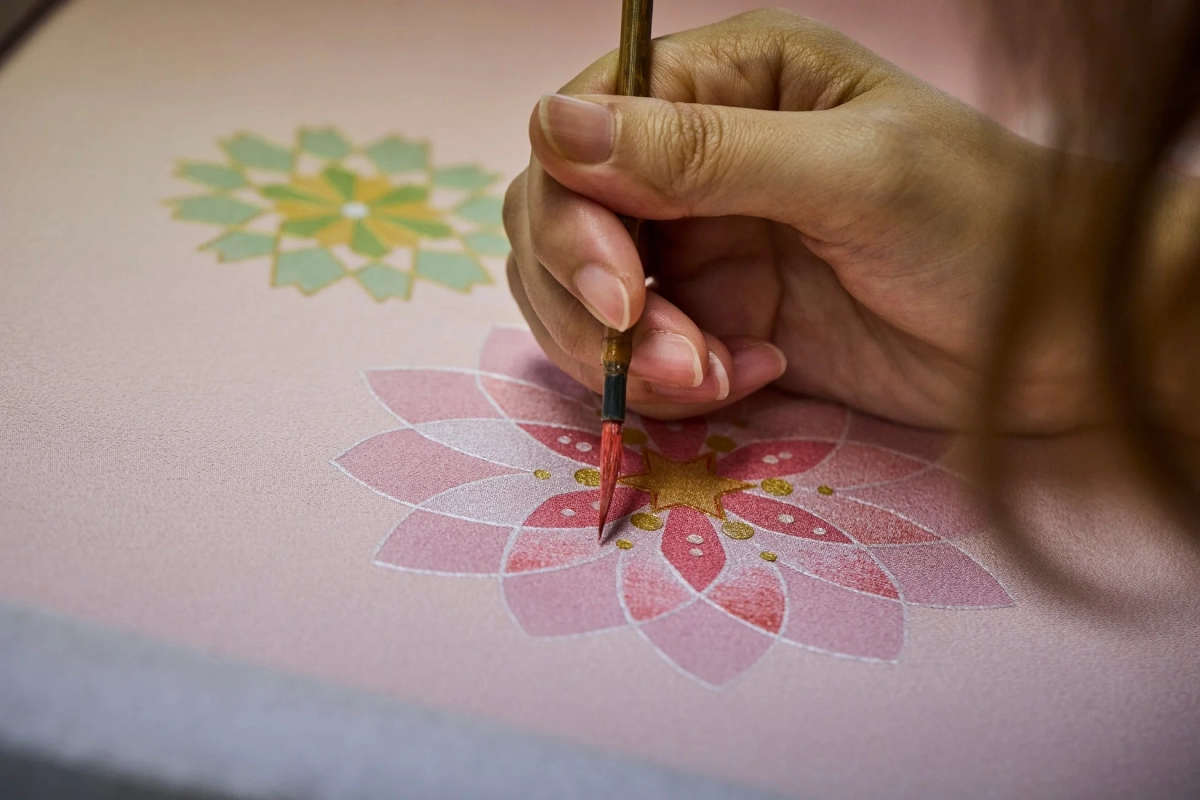
Koge Senshu Research Institute
The Koge Senshu Research Institute is unique in the field of dyed and woven crafts for its integrated approach, handling dyeing, pattern application, and embroidery all in-house. Visitors can witness the artisans’ handiwork up close. For inquiries about the workshop, works, or business partnerships, please use the contact form below.
Company Overview:
-
Name: Fukudaki Co., Ltd.
-
Representative Director: Yoshiyuki Fukuda
-
Location: 50 Koyama Hananoki-cho, Kita-ku, Kyoto-shi, Kyoto
-
Established: January 1991 (Founded 1927)
-
Business Activities: Creation, production, and sales of artistic kimonos and dyed and woven craft items
-
Website: https://fukudaki.jp/
-
Contact Form: https://fukudaki.jp/contact
-
Official Online Shop: https://fukudaki.shop-pro.jp/
The Future of Kawaii Culture: Weaving Tradition into Global Threads
Fukudaki’s journey from traditional kimono fabric to a global textile art form exemplifies how Japanese craftsmanship can transcend its original context and find new life in contemporary fashion and lifestyle. This innovative spirit, blending deep-rooted heritage with modern design, not only preserves invaluable skills but also introduces the nuanced beauty of Japanese aesthetics to a wider international audience. Such endeavors are crucial in shaping the future of “Kawaii” culture, demonstrating that true beauty, whether delicate or grand, holds universal appeal and can enrich lives across borders, proving that tradition is not static but a vibrant, evolving force.

