
Decoding Generation Alpha: Japan’s Youth Reveal 2025’s Hottest Trends
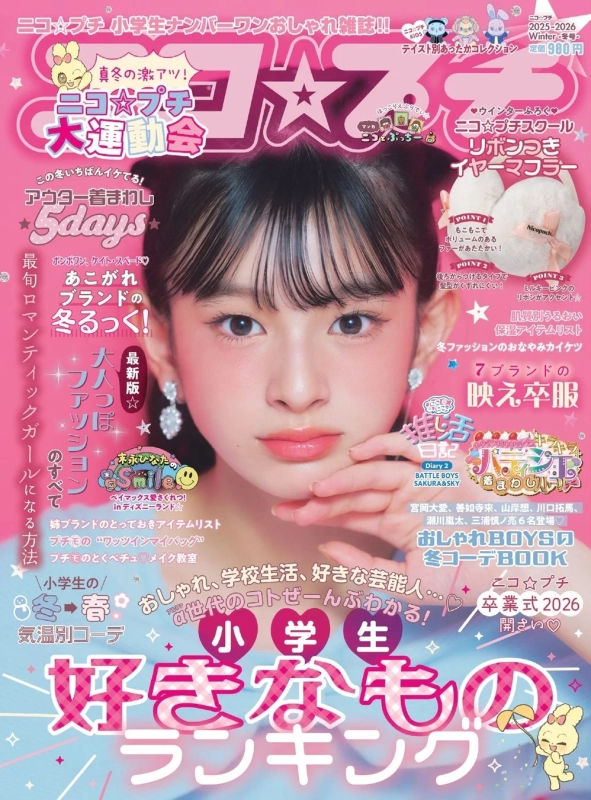
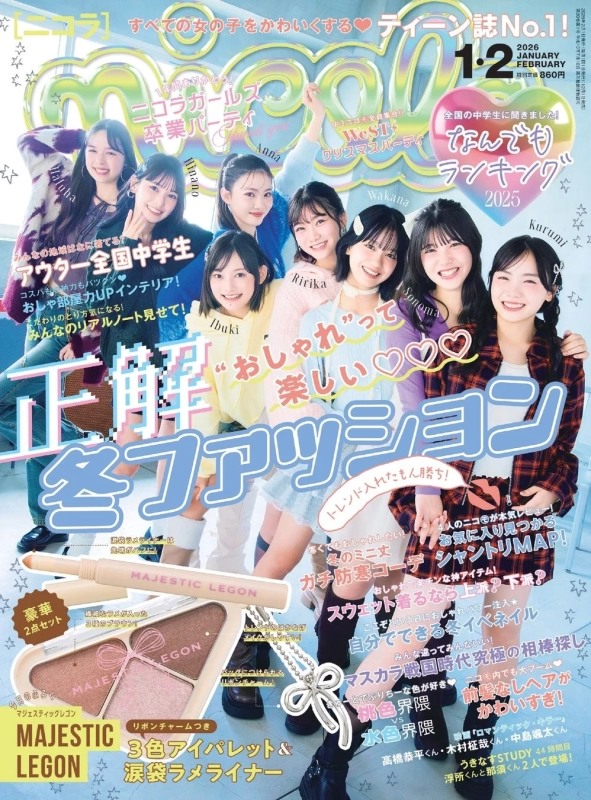
Japan’s Generation Alpha, born after 2010 and known for their digital fluency, are setting the pace for future trends. Two prominent fashion magazines, ‘nicola’ for junior high students and ‘Nico☆Puchi’ for elementary schoolers, have unveiled their highly anticipated annual rankings, providing a unique window into the minds of this influential demographic. These special year-end issues—’nicola’ 1-2 merged issue (released December 1st) and ‘Nico☆Puchi’ winter issue (released December 10th)—feature extensive surveys on everything from popular buzzwords and fashion to beauty, entertainment, gourmet, and lifestyle choices that dominated 2025.

The surveys, dubbed “Nandemo Ranking” (Anything Ranking) for ‘nicola’ and “Suki na Mono Ranking” (Favorite Things Ranking) for ‘Nico☆Puchi’, capture the authentic values and preferences of young people. The results offer fresh and intriguing insights, not just for their peers but also for adults keen to understand the evolving cultural landscape.
The Buzzwords of 2025: A Glimpse into Digital Culture
Social media continues to be a powerful incubator for new language, and Gen Alpha’s top buzzwords reflect this dynamic. The rankings show a clear influence from viral content and internet memes:
nicola Readers’ Top 5 Buzzwords of 2025
- Biju Ii Jan (ビジュイイじゃん): “Your visuals are good!” – an expression of appreciation for someone’s appearance, often used on social media.
- ○○ Kaiwai (〇〇界隈): “○○ scene/circle” – referring to a specific community or interest group, like “idol kaiwai” for idol fans.
- Sore na (それな): “Exactly!” or “I know, right?” – a common phrase for agreement.
- Ehho Ehho (えっほえっほ): A sound effect or exclamation, often linked to internet memes.
- Hina Yatta! (ひな やったー!): A specific phrase that gained popularity, likely from a viral moment.
Nico☆Puchi Readers’ Top 5 Buzzwords of 2025
- Sore na (それな)
- ○○ Kaiwai (〇〇界隈)
- Ehho Ehho Tsutaenakya (エッホエッホ伝えなきゃ): A longer, more emphatic version of “Ehho Ehho.”
- Biju Ii Jan (ビジュイイじゃん)
- Maji de (マジで): “Seriously?” or “Really?” – a casual expression of surprise or emphasis.
The high rankings of phrases from M!LK’s song “Ii Jan” and other net memes underscore Generation Alpha’s sharp information sensitivity and their ability to rapidly disseminate trends across online platforms.
Idols and Aspirations: Who Captures Their Hearts?
Both elementary and junior high school students displayed overwhelming support for certain artists and celebrities. Mrs. GREEN APPLE and Snow Man emerged as dominant forces, appearing frequently across various categories, solidifying their “Hall of Fame” status.
nicola Readers’ Favorite Artists Ranking
- Mrs. GREEN APPLE
- HANA
- back number
Nico☆Puchi Readers’ Favorite Male Celebrities Ranking
- Mrs. GREEN APPLE
- Snow Man
- Naniwa Danshi
nicola Readers’ Favorite Male Actors Ranking
- Ren Meguro (Snow Man)
- Fumiya Takahashi
- Takeru Satoh
Nico☆Puchi Readers’ Celebrities You Want to Date Ranking
- Ren Meguro (Snow Man)
- Motoki Ohmori (Mrs. GREEN APPLE)
- Ren Nagase (King & Prince)
Dreams for the Future: Career Paths and Life Goals
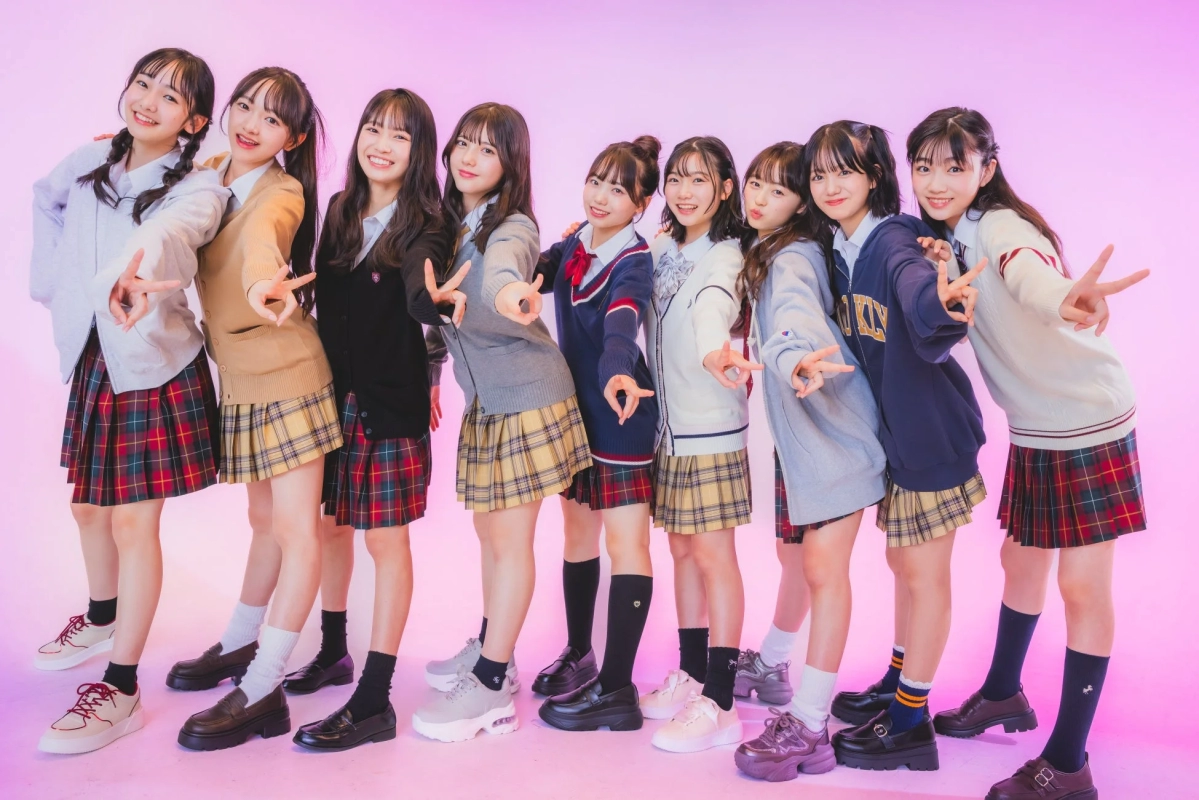
When it comes to career aspirations, a compelling blend of glamour and social consciousness emerged. While many aspire to careers in entertainment and beauty, reflecting the strong influence of ‘nicola’ and ‘Nico☆Puchi’ models, there’s also a significant interest in medical professions.
nicola Readers’ Desired Professions Ranking
- Doctor/Nurse
- Model
- Beauty-related professions
Nico☆Puchi Readers’ Desired Professions Ranking
- Model
- Pharmacist
- Actress
This inclination towards healthcare roles likely stems from Generation Alpha’s firsthand experience of the COVID-19 pandemic, highlighting a heightened awareness of societal needs. “It’s clear that Generation Alpha, with their fingers on the pulse of both digital trends and real-world aspirations, are shaping a vibrant and dynamic future for Japanese youth culture,” observes one commentator, reflecting on these diverse career choices.
Trending Personalities and Romantic Ideals
Long Hirona, known as “Ohinasama” from the reality dating show “Kyo, Suki ni Narimashita.”, topped ‘nicola’ readers’ “People Who Trended in 2025” ranking. Her cheerful personality resonated widely on social media, earning her significant popularity, even among younger ‘Nico☆Puchi’ readers in their “Favorite TikToker Ranking.”
Intriguingly, when ‘Nico☆Puchi’ readers were asked about their ideal marriage age, the average came out to 24 years old. This suggests that the romantic aspirations of elementary school girls remain strong, with many envisioning marriage in their early twenties—a notable divergence from recent trends among adult women.
Dive Deeper into Gen Alpha’s World
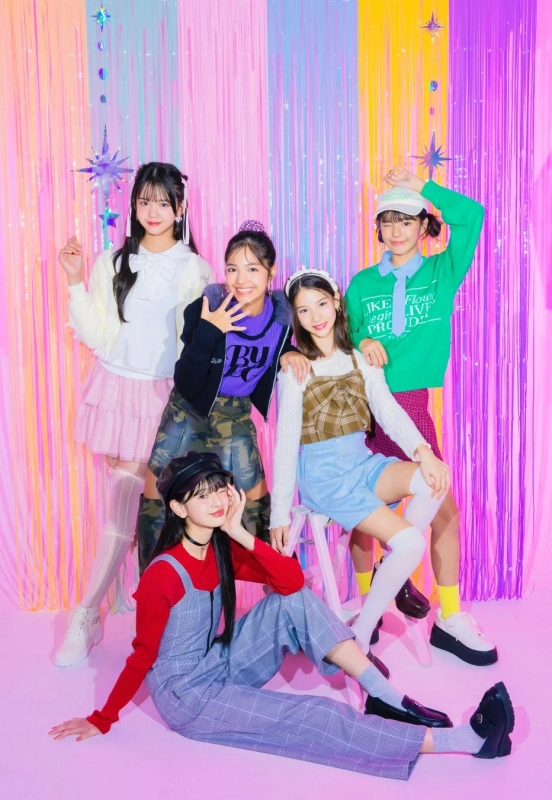
The full results of these extensive rankings are available not only in the magazines but also progressively on their official websites. ‘Nico☆Puchi’ online, for instance, offers extended rankings beyond the top three featured in print, providing even more exclusive insights.
- Nico☆Puchi Net: https://www.nicopuchi.jp/
About nicola
‘nicola’ is Japan’s leading fashion magazine for junior high school students, covering fashion, beauty, school life, and entertainment. Founded in May 1997, it boasts a circulation of approximately 50,000 copies. Many of its exclusive models have gone on to achieve success in drama, film, and variety shows, including notable alumni like Yui Aragaki and Mei Nagano.
- nicola Official Website: https://nicola.jp/
About Nico☆Puchi
‘Nico☆Puchi’ is the number one fashion magazine for elementary school students, focusing on fashion, accessories, amusement spots,習いごと (lessons), fortune-telling, and study. Launched on September 13, 2006, it has a circulation of about 57,000 copies. Its official website, ‘Nico☆Puchi Net’, attracts approximately 2.3 million monthly page views. The magazine has also nurtured talents such as Marie Iitoyo and Mei Nagano.
These comprehensive rankings from ‘nicola’ and ‘Nico☆Puchi’ offer a valuable snapshot of Generation Alpha’s current interests and aspirations. Understanding these trends provides a crucial foundation for anticipating how this digitally native generation will continue to shape Japanese, and potentially global, kawaii culture in the years to come.